Category
Manufacturer
Model
Aesus
Aesus specializes in creating innovative labeling and packaging machinery for the personal care and food industries. Known for their high-speed label applicators, they ensure seamless operations in labeling production lines.
FAQ:
What types of labeling machines does Aesus manufacture?
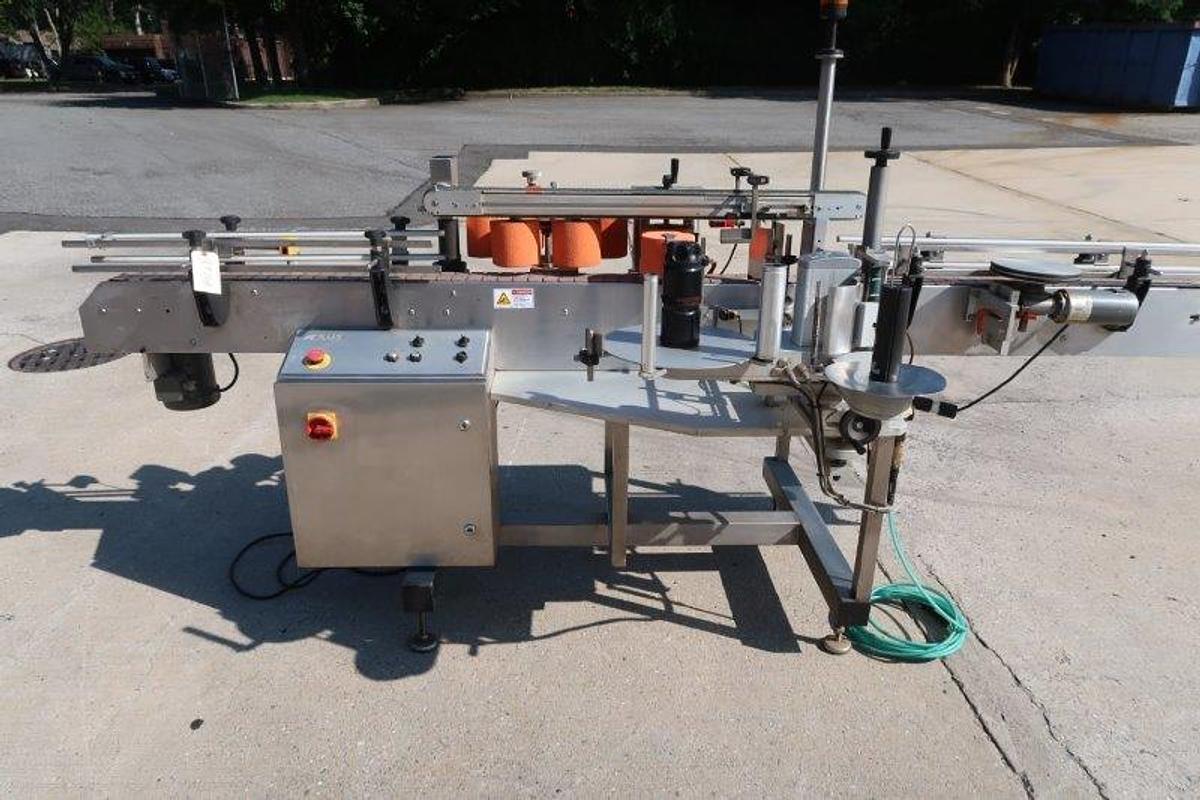
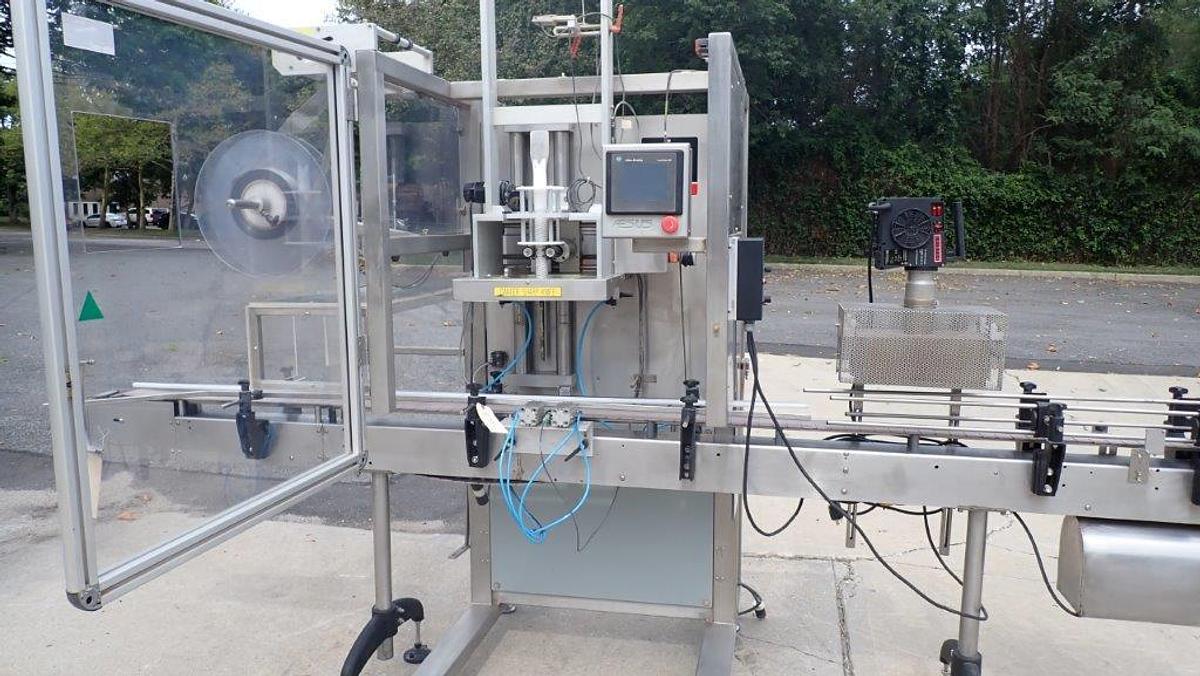
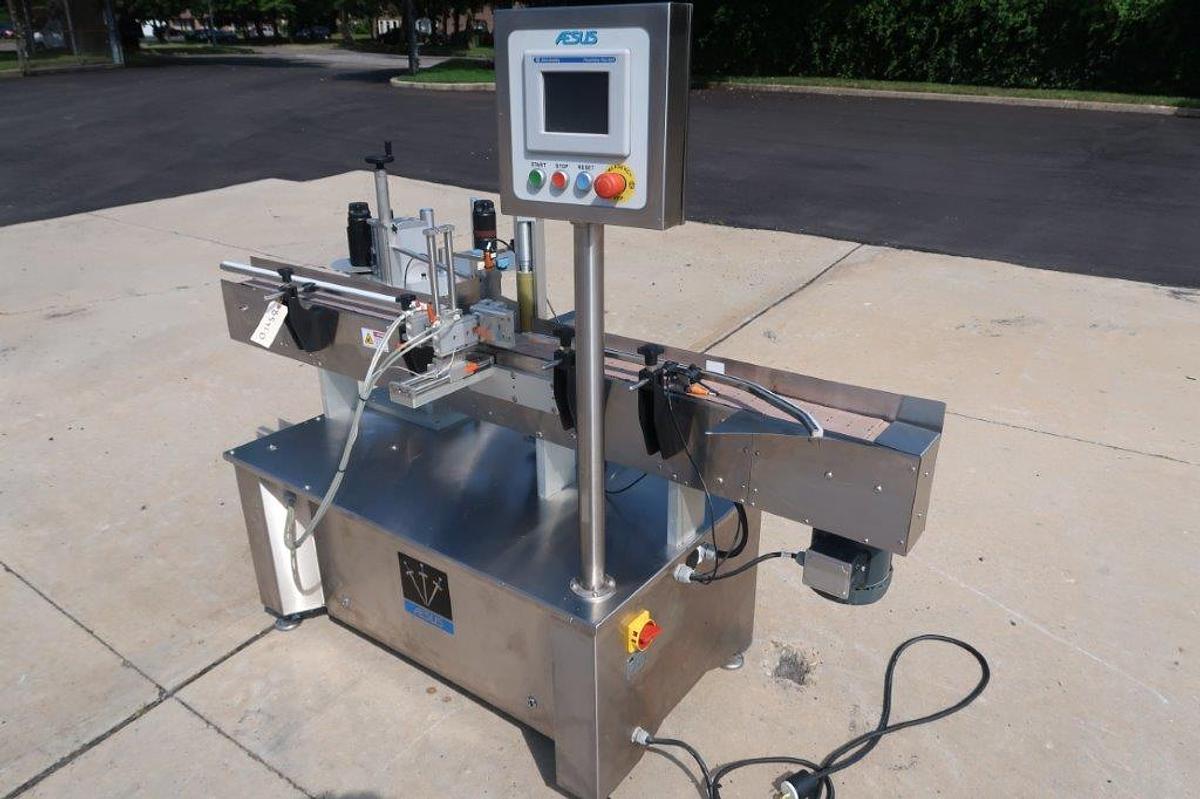
Aesus produces a range of labeling and packaging equipment designed for production line environments. Their lineup includes pressure-sensitive labelers, wrap-around labelers, front-and-back labelers, top labelers, and neck banders with shrink tunnels. Specific models include the Eco-Panel Automatic Pressure Sensitive Labeler, the Delta High-Speed Neck Bander with Shrink Tunnel, and the Eco Wrap Prism Automatic Inline Pressure Sensitive Labeler. Each machine is built to handle different labeling applications depending on container shape, label type, and production speed requirements.
Aesus equipment is known for its modular design, which allows production facilities to configure machines around specific line requirements. This flexibility makes their equipment a practical choice for operations that handle multiple SKUs or need to switch between label formats without significant downtime. The stainless steel construction and industrial-grade components used throughout their machines contribute to their reputation for durability in demanding production environments.
What industries use Aesus labeling equipment?
Aesus labeling machines are used across several industries, with a strong presence in personal care, food and beverage, cosmetics, pharmaceuticals, and nutraceuticals. The equipment is designed to handle the labeling demands common to these sectors, including high-speed application, consistent label placement, and compatibility with a variety of container types such as bottles, jars, tubes, and cans.
The food and personal care industries in particular rely on Aesus equipment because of the high-volume, high-accuracy demands of those production environments. Pharmaceutical and nutraceutical applications often require precise label placement for regulatory compliance, and Aesus machines are built with the consistency needed to meet those standards. Buyers from any of these industries looking at used Aesus equipment should verify that the specific model they are considering is compatible with their container sizes and label formats before purchasing.
What should buyers know about purchasing used Aesus labeling machinery?
Buying used Aesus labeling equipment can be a cost-effective way to add reliable, industrial-grade labeling capability to a production line. Used machines are sold as-is, which means the responsibility for evaluating condition falls on the buyer. Selecting a reputable used equipment dealer with a track record in the packaging machinery space is one of the most important steps in the process. Dealers who specialize in labeling and packaging equipment will generally have better insight into what to look for when assessing a specific Aesus model.
Before committing to a purchase, buyers should request an inspection, either in person or via video, to get an accurate picture of the machine's current condition. Some machines may still be in active production at a facility, which can provide a useful opportunity to observe the equipment running. It is also worth contacting Aesus directly to understand the level of support, parts availability, and documentation that exists for the specific model and age of machine being considered, since older models may have more limited manufacturer support.
How fast are Aesus labeling machines?
Aesus is known in the packaging industry for producing high-speed label applicators capable of keeping pace with demanding production lines. Specific throughput figures vary by model and application, but their machines are generally positioned for mid-to-high volume environments where consistent speed and accuracy are critical. The Delta High-Speed Neck Bander, for example, is designed specifically for fast-paced operations requiring neck banding with shrink tunnel integration.
Actual production speed on any used machine will depend on factors including the condition of the equipment, the label and container type being used, and how the machine has been configured and maintained. Buyers should ask dealers for any available documentation on the machine's rated speed and, where possible, request a video demonstration or in-person inspection to see the equipment operating. Keep in mind that most used equipment dealers do not have the production setup to run actual product through a machine during a dealer inspection.
What is the difference between a pressure-sensitive labeler and a neck bander?
A pressure-sensitive labeler applies pre-cut labels that have an adhesive backing, pressing them onto containers as they move along a conveyor. These machines are widely used for front-and-back labeling, wrap-around labeling, and top labeling across a broad range of container shapes. Aesus offers several pressure-sensitive models, including the Eco-Panel and Eco Wrap Prism, which are designed for inline automatic operation.
A neck bander, like the Aesus Delta, applies a sleeve or band around the neck of a bottle or container, which is then passed through a shrink tunnel to create a tight, conforming fit. Neck banding is commonly used for tamper evidence, promotional labeling, or multi-pack bundling. The choice between the two depends entirely on the application. Buyers evaluating used Aesus equipment should identify which labeling method their product requires before selecting a machine type, since the two systems are not interchangeable.
Are Aesus labeling machines suitable for small or medium-sized production operations?
Aesus equipment is generally positioned as a mid-to-high range investment, but that does not mean it is limited to large-scale operations. Many small and medium-sized manufacturers use Aesus machines because the equipment is built to run reliably over long production cycles without requiring constant adjustment or maintenance. The modular design also means that a smaller operation can start with a configuration that fits their current volume and adapt it as production grows.
Buying used Aesus machinery can make the equipment more accessible for smaller businesses that cannot justify the cost of buying comparable machinery outright. Used machines in good working condition can deliver the same production capability at a fraction of the cost. Buyers should still factor in any reconditioning, tooling changes, or integration costs when calculating the total investment, and should inspect the machine carefully to ensure it is appropriate for their specific container and label requirements.
What label types and container formats are compatible with Aesus labeling equipment?
Aesus labeling machines are designed to work with pressure-sensitive labels and sleeve or band materials, depending on the machine type. Pressure-sensitive models like the Eco-Panel and Eco Wrap Prism handle self-adhesive labels on a liner, which is the most common label format used in food, beverage, personal care, and pharmaceutical packaging. These machines can typically accommodate a range of label widths and container diameters, though compatibility depends on the specific model and how it has been tooled.
Container compatibility is another important consideration. Aesus machines are used on round bottles, flat-sided containers, and various other shapes depending on the model and configuration. Buyers looking at used equipment should confirm that the machine's existing tooling matches their container dimensions, or factor in the cost of retooling. Consulting with a dealer who specializes in labeling equipment can help clarify whether a specific used Aesus machine is a practical fit for a given application before a purchase is made.
How should buyers inspect used Aesus labeling equipment before purchasing?
Inspections are a standard part of buying used industrial machinery, and reputable dealers will typically offer in-person visits, live video walkthroughs, or recorded video of the equipment. The goal is to get a clear picture of the machine's mechanical condition, including the state of belts, sensors, motors, electrical components, and the labeling head itself. Buyers should ask to see the machine powered on and cycling through its basic functions, even if running actual product through it is not possible at the dealer's facility.
If the machine is still installed at a production facility, there may be an opportunity to observe it running under real production conditions, which provides the most accurate assessment of its working order. Buyers should also request any available maintenance records, manuals, or documentation that came with the machine. After the inspection, it is advisable to contact Aesus directly to confirm parts availability and technical support for the specific model, since the age of the machine can affect what resources are still available from the manufacturer.
What are typical shipping and delivery considerations for used Aesus labeling machinery?
Labeling machines vary significantly in size and weight, and shipping costs will reflect the level of packaging and rigging required to move the equipment safely. Smaller tabletop or semi-automatic labelers may ship on a standard pallet, while larger inline systems like the Eco Wrap Prism or Delta Neck Bander may require custom crating and heavy-duty rigging for loading and unloading. Buyers should ask dealers for a detailed breakdown of packaging, freight, and any rigging fees so they understand the full landed cost before committing to a purchase.
Delivery timelines for used machinery are generally shorter than for new equipment since the machines are already built and in inventory, but logistics coordination, crating, and freight scheduling can still take several weeks depending on the origin and destination. International shipments add customs documentation and import duties to the equation. Buyers should confirm all of these details with the dealer upfront, including who is responsible for unloading at the destination and whether the dealer offers any assistance with installation guidance once the machine arrives.
What payment terms are typical when buying used labeling equipment from a dealer?
Most used equipment dealers require full payment before a machine ships. This is standard practice in the industry and applies to most transactions regardless of the machine type or price point. Some dealers may extend payment terms to repeat customers or buyers with an established purchasing history, but first-time buyers should plan on paying in full prior to shipment. Payment methods vary by dealer and may include wire transfer, ACH, or other arrangements depending on transaction size.
Buyers should treat the payment process as part of their overall due diligence. Completing a thorough inspection before finalizing payment is the most practical way to protect the investment, since used equipment is sold as-is and there is no recourse after the transaction closes if the machine does not meet expectations. Working with a dealer who has a verifiable track record in the packaging and labeling equipment space adds an important layer of confidence to the process.