Category
Manufacturer
Model
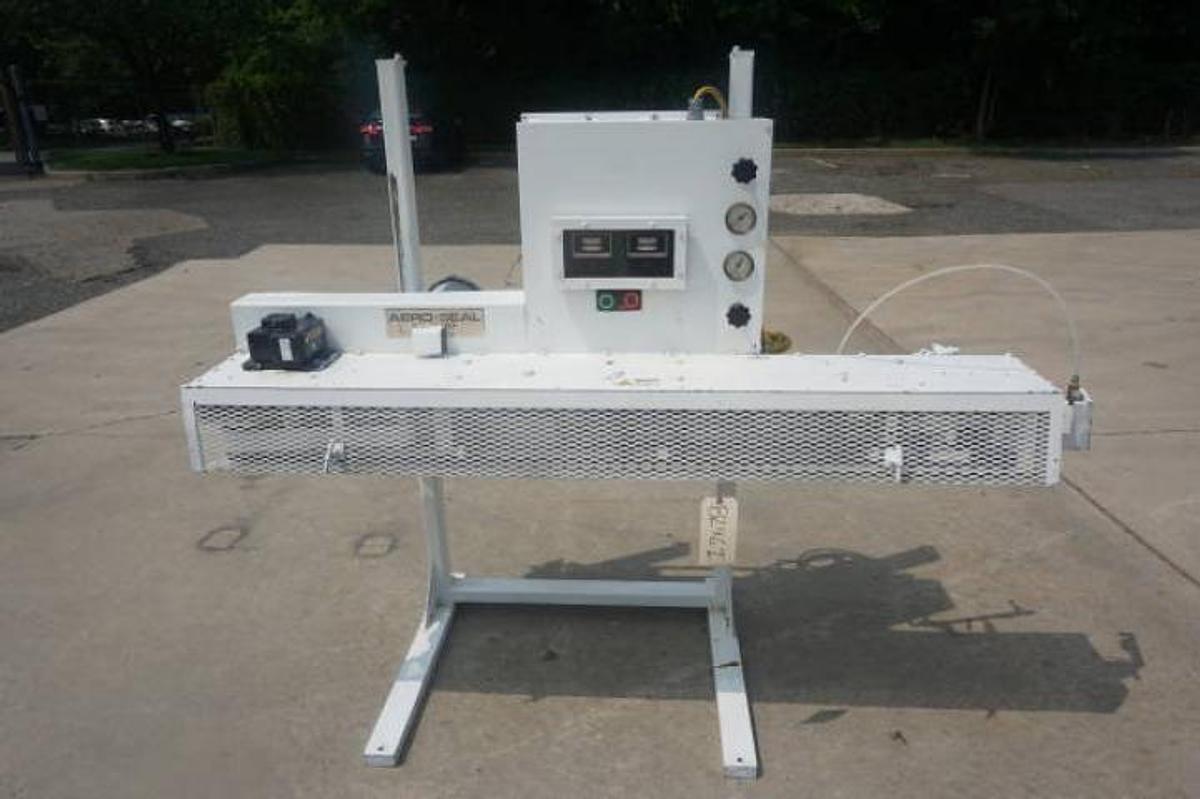
Aero-Sealer
Aero-Sealer offers innovative sealing technology, predominantly serving the packaging industry. Their machines are vital for keeping products fresh and protected, offering airtight seals that extend shelf life while ensuring product integrity.
FAQ:
What is an Aero-Sealer bag sealing machine and what is it used for?
Aero-Sealer is a brand of bag sealing equipment widely used in the packaging industry. The machines are designed to create airtight seals on flexible packaging, which keeps products fresh, extends shelf life, and protects contents from moisture, dust, and contamination. They show up across a broad range of applications including food packaging, retail product sealing, light industrial packaging, and anywhere a reliable, repeatable bag closure is needed.
The machines use impulse heat sealing technology, meaning the sealing element only generates heat when the seal bar is pressed down against the bag. This makes them more energy efficient than constant-heat alternatives and reduces the risk of accidental burns or material damage during idle periods. Models range from compact tabletop units suited to lower-volume operations all the way to larger commercial-grade machines built for higher throughput environments. The adjustable-height design found on certain models adds flexibility for operators working with bags of varying sizes.
What types of bags can an Aero-Sealer machine seal?
Aero-Sealer machines are compatible with most common thermoplastic bag materials, including polyethylene (PE) and polypropylene (PP). These are among the most widely used materials in flexible packaging, so the machines work with a broad range of standard poly bags without requiring specialty supplies. Foil-laminated bags and certain multilayer films can also be sealed on appropriate models, though it is worth confirming material compatibility with the specific machine being considered.
The machines do not require proprietary or brand-specific bags, which keeps ongoing supply costs straightforward. Bag thickness capacity varies by model, so buyers sourcing a used Aero-Sealer should check the specifications of the particular unit to confirm it handles the gauge of material they plan to run. Sealing width is another spec to verify, since different models offer different seal bar lengths that determine the maximum bag width the machine can accommodate.
What should I look for when buying a used Aero-Sealer machine?
Condition of the seal bar and heating element are the most important things to assess on a used impulse sealer. These components wear over time and directly affect seal quality. A machine with a worn or damaged seal wire will produce inconsistent seals, so buyers should ask for a close visual inspection or video of the seal bar area before committing to a purchase. The condition of the pressure pad or silicone strip beneath the seal bar is equally important, as deterioration there leads to uneven sealing pressure.
Beyond the sealing components, buyers should look at the overall mechanical condition of the frame, the functionality of the timer and pressure controls, and whether the machine powers on and cycles correctly. Reputable used equipment dealers will typically accommodate in-person or video inspections so buyers can assess the machine's working order before purchase. Since used machines are sold as-is, taking the time to do a thorough inspection upfront is the best way to avoid surprises after delivery. Consulting the manufacturer about parts availability for the specific model and age of machine is also a smart step, as older models may have limited support.
How does impulse sealing technology work in Aero-Sealer machines?
Impulse sealing works by sending a brief, controlled burst of electrical current through a resistance wire in the seal bar at the moment the bar is pressed against the bag material. The wire heats rapidly, melts the thermoplastic layers of the bag together, and then cools before the bar is released. The entire cycle takes only a few seconds. Because heat is only generated on demand rather than continuously, the machine consumes significantly less energy than constant-heat band sealers or other designs that maintain a hot surface at all times.
This on-demand heating also means the seal bar is cool to the touch when the machine is idle, which reduces the risk of accidental damage to packaging materials and makes the machines safer to operate in general work environments. The cooling phase before bar release is important because it allows the melted thermoplastic to re-solidify under pressure, producing a strong, consistent seal. Seal quality depends on getting the time, temperature, and pressure settings dialed in correctly for the specific bag material and thickness being used, which is why having access to the machine's controls and being able to test a cycle is valuable during any inspection.
What is the difference between tabletop and commercial-grade Aero-Sealer models?
Tabletop Aero-Sealer units are compact, lightweight machines designed for lower-volume sealing tasks. They are well suited to small retail operations, food producers with modest output, or any application where bags are sealed periodically rather than continuously. These models prioritize ease of use and a small footprint, and they are generally more affordable to acquire on the used market. Seal bar lengths on tabletop models are typically shorter, which limits the maximum bag width they can handle.
Commercial-grade models are built for higher duty cycles and sustained production use. They tend to feature heavier-duty frames, longer seal bars for wider bags, more precise controls, and components rated for more frequent cycling without overheating or premature wear. Some commercial models also offer adjustable-height stands, which allow operators to position the sealing mechanism at an ergonomically comfortable working height and accommodate bags of different sizes more easily. Buyers should match the model to their actual production volume requirements, since a machine that is undersized for the application will wear faster, while an oversized machine may represent unnecessary cost.
Does an Aero-Sealer work with standard poly bags or does it require special bags?
Aero-Sealer machines work with standard polyethylene and polypropylene bags that are widely available from packaging suppliers. There is no requirement to purchase proprietary bags or brand-specific consumables, which is one of the practical advantages of impulse heat sealing technology in general. As long as the bag material is a compatible thermoplastic and the wall thickness falls within the machine's rated capacity, standard off-the-shelf bags will seal correctly.
That said, not every bag material is suitable for impulse sealing. Woven polypropylene bags, paper bags, and certain specialty films may not seal properly or at all with this method. Buyers who plan to run less common materials should verify compatibility before purchasing a machine. For used equipment specifically, it can be helpful to confirm with the seller what materials the machine was previously running, since a machine with a history of sealing a particular film type is a reasonable indicator that it handles that material well.
What power requirements do Aero-Sealer bag sealing machines typically have?
Most tabletop and light commercial Aero-Sealer models operate on standard 110V/120V single-phase power, which is the typical household and light commercial outlet voltage in North America. This makes them straightforward to set up without any special electrical infrastructure. Larger commercial models may require 220V or three-phase power depending on the seal bar length and heating element capacity, so buyers should confirm the power specifications of any specific unit before purchase.
Because impulse sealing only draws power during the brief heating cycle rather than continuously, these machines have relatively low average power consumption compared to constant-heat sealers. This is a meaningful advantage in environments where multiple machines run simultaneously or where energy costs are a concern. When sourcing a used machine, it is a good idea to verify the voltage and amperage requirements listed on the machine's data plate and confirm that the intended installation location can support those requirements.
How should a used Aero-Sealer machine be inspected before purchase?
The inspection process for a used bag sealing machine should cover both the mechanical and electrical condition of the unit. Buyers should request a visual inspection of the seal bar, heating wire, pressure pad, and frame for signs of wear, corrosion, or damage. If an in-person visit is not practical, reputable used equipment dealers will typically arrange a video inspection or provide detailed video footage of the machine so the buyer can assess its condition remotely. Some machines may still be installed and operating at a production facility, in which case an inspection can sometimes be arranged at the plant.
It is worth keeping in mind that most equipment dealers do not have the permitting or production setup required to run actual product through the machine during an inspection, so testing is generally limited to confirming that the machine powers on, cycles correctly, and that the sealing components appear to be in serviceable condition. Buyers should also ask about the machine's history, including what materials it was sealing and the approximate volume of use. Consulting the manufacturer about parts availability for the specific model is another useful step, since the age and model of a machine can affect how readily replacement components can be sourced.
What are typical shipping considerations when buying a used Aero-Sealer machine?
Shipping costs for used bag sealing equipment depend on the size and weight of the machine, the distance involved, and the level of packaging required to protect the unit in transit. Smaller tabletop models can often be palletized and shipped via standard freight carriers at relatively modest cost. Larger commercial machines with heavy frames or stands may require more substantial crating and could involve additional rigging costs for loading and unloading at both ends of the shipment.
Buyers should ask the seller for a detailed breakdown of packaging, rigging, and freight charges before finalizing a purchase so there are no surprises in the total landed cost. Machines should be properly secured and cushioned to prevent damage during transit, since even minor impacts can affect calibration or damage sealing components. Some sellers offer different levels of packaging at different price points, so it is worth discussing the options and understanding what each level of protection includes.
What payment terms are typical when purchasing used bag sealing equipment?
Most used equipment dealers require full payment prior to shipping the machine. This is standard practice in the used machinery market and applies to first-time buyers in the vast majority of transactions. Some dealers may extend terms to repeat customers with an established purchasing history, but buyers should not count on credit arrangements being available, particularly for a first purchase.
Accepted payment methods vary by dealer but commonly include wire transfer, credit card, and sometimes financing through third-party equipment lenders. Buyers who need financing should arrange it in advance, since dealers generally do not hold equipment for extended periods without payment or a deposit. Confirming the full payment terms, deposit requirements, and any conditions around refunds or disputes before committing to a purchase is a straightforward way to avoid misunderstandings and ensure a smooth transaction.