Category
Manufacturer
Model
Adtech
Adtech provides advanced adhesive application equipment notably for the automotive and aerospace industries. Their precision dosing systems help in applying high-performance adhesives accurately, enhancing product quality and structural integrity.
FAQ:
What types of Adtech equipment are available on the used market?
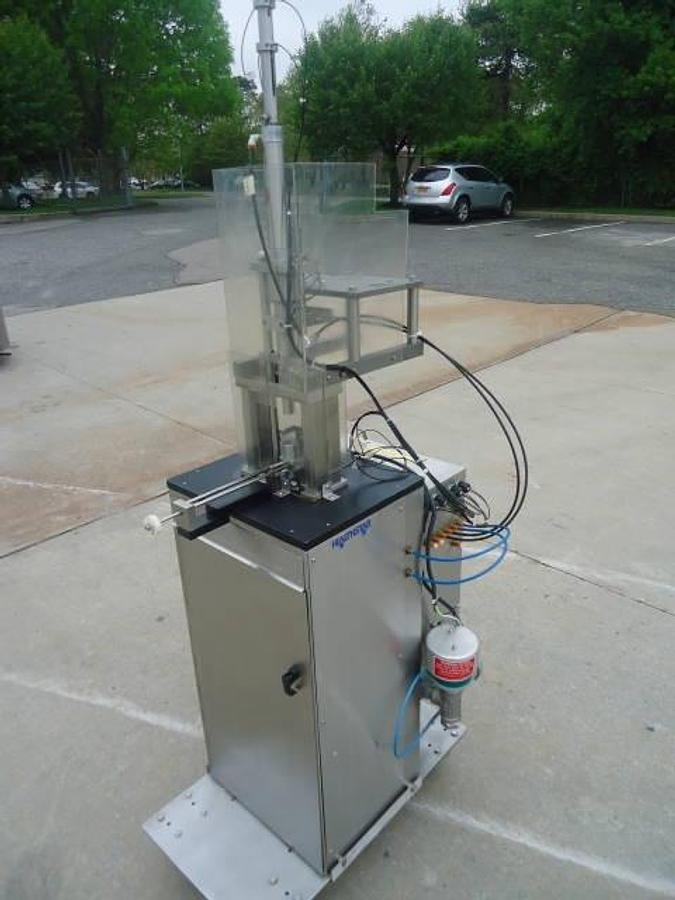
Adtech produces a range of adhesive application and dispensing equipment that shows up regularly on the used industrial market. Product lines include handheld hot melt glue guns, benchtop dispensers, industrial automated adhesive systems, precision dosing units, and specialty applicators designed for high-volume production environments. Adtech is also known for pharmaceutical and laboratory equipment, such as stainless steel pluggers used in pharmaceutical manufacturing processes. The breadth of the Adtech catalog means buyers from very different industries often find relevant equipment available from used dealers.
On the industrial side, Adtech adhesive systems are particularly well represented in sectors like packaging, bookbinding, furniture manufacturing, electronics assembly, and product labeling. Their precision dosing systems, built for automotive and aerospace applications, are also found on the secondary market as facilities upgrade or consolidate production lines. Because used equipment dealers source machines from decommissioned facilities and production line changeovers, availability shifts over time, so buyers should check with dealers regularly or set up alerts if a specific model is the target.
Which industries commonly use Adtech adhesive application equipment?
Adtech adhesive equipment serves a wide cross-section of industries, which is part of why it appears so frequently on the used equipment market. Packaging operations rely on hot melt dispensing systems for carton sealing and case erecting. Furniture and woodworking manufacturers use Adtech equipment for edge banding and panel assembly. Bookbinders depend on precision hot melt application for spine gluing, and electronics assembly lines use Adtech dispensers for component bonding and potting applications.
On the higher-precision end, Adtech has a strong presence in automotive and aerospace manufacturing, where their dosing systems apply structural adhesives with tight tolerances. This matters to buyers because equipment sourced from an automotive or aerospace facility is typically built to demanding specifications and may be well-suited for other precision applications. Pharmaceutical manufacturing is another area where Adtech equipment appears, particularly specialized tooling like stainless steel pluggers used in capsule or suppository production. Buyers should confirm that a specific used unit matches the requirements of their intended application before purchasing.
What adhesive types are compatible with Adtech hot melt systems?
Adtech hot melt systems are designed to work with thermoplastic adhesives, most commonly ethylene-vinyl acetate (EVA) based formulations, though specific compatibility depends heavily on the model. Handheld and benchtop units typically accept standard hot melt glue sticks in diameters of 7/16 inch or 1/2 inch, and buyers must confirm which diameter their unit requires before sourcing consumables. Industrial and automated Adtech systems may use bulk adhesive in pellet, slug, or tank form rather than individual sticks, which changes the supply chain for consumables entirely.
For precision dosing systems used in automotive or aerospace applications, the adhesive compatibility is often more specialized. These systems may be engineered for two-component structural adhesives, polyurethane formulations, or other high-performance chemistries that require heated hoses, mix ratios, and specific pump materials. When buying a used Adtech industrial system, it is worth consulting the manufacturer directly about which adhesive types the specific model supports, since running an incompatible adhesive can damage pump components or produce poor bond quality. Adtech's technical documentation, if available, is the most reliable reference for adhesive compatibility by model.
Does used Adtech equipment come with a warranty?
Used Adtech equipment is generally sold without a manufacturer warranty. Manufacturer warranties are tied to the original sale of the equipment and do not transfer through the secondary market. Used equipment dealers typically sell machinery on an as-is basis, which places the responsibility of evaluating the machine's condition squarely on the buyer. This is standard practice across the used industrial equipment industry and is not specific to Adtech.
Because of this, selecting a reputable used equipment dealer with a long track record in the industry is one of the most important steps a buyer can take. Dealers who specialize in industrial or adhesive application equipment are better positioned to accurately represent the condition of what they are selling. Buyers should also contact Adtech directly to understand what level of technical support, spare parts availability, and documentation exists for a particular model and production year, since older or discontinued models may have limited manufacturer support regardless of where the machine is purchased.
How should buyers inspect used Adtech equipment before purchasing?
Inspecting used Adtech equipment before committing to a purchase is a critical step that buyers should not skip. Most reputable used equipment dealers offer inspection options that include in-person visits, live video calls, or recorded video walkthroughs of the machine. For equipment that is still installed in an active facility, the dealer can often coordinate access so the buyer can observe the machine running in production, which provides the most accurate picture of its working condition. Equipment that has already been decommissioned and moved to a dealer's warehouse can still be inspected visually and, in many cases, powered on for a functional check.
Buyers should be aware that most used equipment dealers do not run full production tests, since operating a production line requires permits and infrastructure that a dealership does not typically maintain. The inspection goal is to assess the machine's mechanical and electrical condition, check for visible wear or damage, verify that key components are present, and confirm that the model matches the listed specifications. For Adtech precision dosing or automated dispensing systems, it is worth asking specifically about the condition of pump components, heated hoses, and control systems, as these are the parts most subject to wear and most expensive to replace.
What maintenance does Adtech hot melt adhesive equipment typically require?
Regular maintenance is essential for keeping Adtech hot melt equipment performing reliably. The most common maintenance tasks involve cleaning adhesive residue from nozzles, hoses, and tanks to prevent charring and clogging. Hot melt adhesive degrades when held at temperature for extended periods, so purging the system with fresh adhesive or a purging compound during shutdowns is a standard practice. Nozzles and filters should be inspected and cleaned on a schedule that reflects the volume of adhesive being processed, since high-throughput systems foul more quickly.
For industrial and automated Adtech systems, maintenance extends to checking pump seals, heating elements, temperature sensors, and solenoid valves. Worn seals can cause adhesive leaks that contaminate the machine and surrounding equipment, while failed heating elements lead to inconsistent adhesive viscosity and poor bond quality. When buying a used Adtech system, it is a good idea to ask the dealer about the machine's maintenance history if records are available, and to budget for a thorough cleaning and inspection of wear components before putting the machine into production. Sourcing replacement parts through Adtech or authorized parts suppliers before they are urgently needed is a practical approach that minimizes downtime.
Can used Adtech equipment be integrated into existing production lines or automated systems?
Adtech industrial adhesive systems are generally designed with integration in mind, and many models include electrical interfaces, programmable controls, and trigger inputs that allow them to work within automated production environments. Whether a specific used unit can be integrated into an existing line depends on the model's control architecture, the communication protocols it supports, and whether the physical footprint and adhesive delivery method match the production setup. Buyers planning to integrate a used Adtech system should review the machine's technical documentation and, if possible, consult with Adtech's engineering or technical support team about compatibility.
One practical consideration with used equipment is that older Adtech models may use control systems or communication standards that differ from current automation equipment. This does not necessarily make integration impossible, but it may require custom wiring, relay interfaces, or updated control hardware. Some buyers bring in an automation integrator or the original equipment manufacturer's technical staff to assess compatibility before finalizing a purchase. Getting clarity on integration requirements before buying, rather than after, avoids costly surprises once the machine arrives on site.
Are replacement parts and consumables readily available for used Adtech equipment?
Parts availability for Adtech equipment varies by model age and product line. For widely used product lines like handheld and benchtop hot melt dispensers, consumables such as glue sticks and nozzles are broadly available through industrial supply channels. Common wear parts like nozzles, filters, and seals for popular Adtech models are often stocked by third-party suppliers as well as through Adtech directly, which gives buyers multiple sourcing options.
For older or less common Adtech industrial systems, parts availability can be more limited. Before purchasing a used Adtech machine, buyers are advised to contact Adtech to ask specifically about parts support for that model and serial number range. Manufacturers sometimes discontinue support for older equipment, which can make repairs difficult and expensive if a critical component fails. If the dealer has any spare parts included with the machine or knows of available parts inventory, that information is worth factoring into the purchase decision. Building a small stock of high-wear consumables at the time of purchase is a practical way to reduce the risk of production interruptions.
What should buyers know about shipping and delivery costs for used Adtech equipment?
Shipping costs for used Adtech equipment depend significantly on the size and weight of the machine, the packaging required to protect it in transit, and the distance between the seller and the buyer. Smaller units like benchtop dispensers or handheld systems can often be palletized and shipped via standard freight carriers at relatively modest cost. Larger industrial adhesive systems may require custom crating, and some heavy or awkwardly configured machines need professional rigging for safe loading and unloading, which adds to the total landed cost.
Buyers should ask dealers for a detailed breakdown of packaging, rigging, and freight costs before finalizing a purchase, since these expenses can be substantial for larger equipment and are sometimes not included in the listed price. Most used equipment dealers require full payment prior to releasing a machine for shipment, though some extend terms to established repeat customers. Understanding the complete landed cost, including the machine price, freight, crating, and any rigging fees, allows buyers to make an accurate comparison between available options and avoid budget surprises after the sale.
What is the typical price range for used Adtech equipment?
Pricing for used Adtech equipment spans a wide range depending on the type of machine, its age, condition, and the complexity of the system. Entry-level handheld and benchtop hot melt dispensers in used condition can be found for anywhere from a few dozen dollars to a few hundred dollars, making them accessible for small shops or light production needs. Mid-range benchtop and semi-automated dispensing systems typically fall in the hundreds to low thousands of dollars range on the secondary market.
Industrial Adtech precision dosing systems, automated adhesive applicators, and equipment built for automotive or aerospace applications represent the higher end of the price spectrum, where used units can run from several thousand to tens of thousands of dollars depending on the system's capabilities and condition. Specialty equipment like pharmaceutical pluggers is priced based on the specific application and market demand at the time of sale. Because used equipment pricing reflects condition, included components, and current market supply, buyers benefit from comparing multiple listings and, where possible, having a knowledgeable technician assess whether the asking price reflects the machine's actual working condition.