Category
Manufacturer
Model
FAQ:
What type of equipment does Ab Techno manufacture?
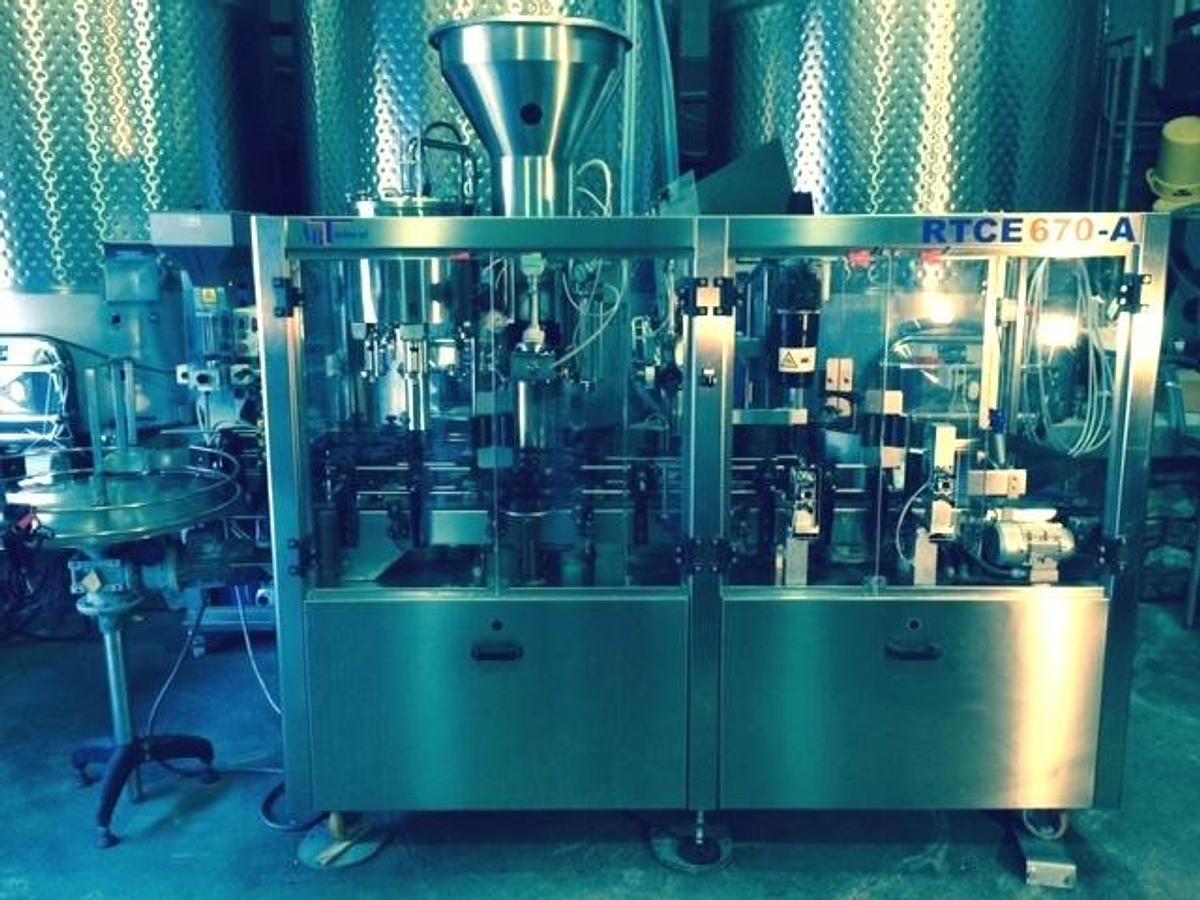
Ab Techno is a manufacturer of industrial food and beverage processing equipment, with a particular focus on bottling and packaging machinery. Their product line includes automatic wine bottling lines and related liquid filling and packaging systems designed for commercial production environments. This is industrial-grade equipment intended for wineries, beverage producers, and food processing facilities, not fitness or exercise machinery.
Buyers searching for Ab Techno equipment in the used machinery market are typically looking for bottling lines, filling machines, capping systems, and associated conveyance or labeling equipment. These machines are built to handle high-volume production runs and are commonly found in mid-to-large-scale beverage operations. When evaluating a specific Ab Techno machine, it is worth confirming the exact model and configuration, as bottling lines can vary significantly in throughput capacity, bottle format compatibility, and level of automation.
What should buyers know about purchasing used Ab Techno bottling equipment?
Purchasing used industrial bottling equipment is a practical way to acquire high-quality machinery at a fraction of the cost of buying comparable equipment through a manufacturer. Ab Techno bottling lines, like most used processing equipment, are sold as-is, meaning the buyer takes on responsibility for verifying the machine's condition prior to completing the transaction. This makes the inspection process critically important, and buyers should not skip it regardless of how detailed the seller's listing appears to be.
Reputable used equipment dealers will typically offer in-person inspections, video walkthroughs, or virtual tours of the equipment. Some machines may still be installed and running at a production facility, which gives buyers the opportunity to observe the equipment under real operating conditions. Others may be decommissioned and available for static inspection only. Either way, buyers should take full advantage of whatever inspection options are available, and it is also advisable to contact the Ab Techno manufacturer directly to understand parts availability and technical support options for the specific model being considered, since age and model generation can affect the level of ongoing support available.
How is used Ab Techno equipment typically priced?
Pricing for used Ab Techno bottling equipment varies considerably depending on the machine type, model, age, condition, level of automation, and throughput capacity. A basic semi-automatic bottling component will generally cost far less than a complete, fully automated wine bottling line with integrated filling, corking, labeling, and conveyance systems. Market pricing for used industrial bottling lines can range from tens of thousands of dollars for individual components to several hundred thousand dollars for complete turnkey systems in good working condition.
Buyers should also factor in costs beyond the listed equipment price. Shipping, rigging, crating, and installation can add meaningfully to the total landed cost of a machine. Larger and heavier bottling systems require specialized rigging for loading and unloading, which is an added expense that varies by location and machine size. Asking the dealer for a full breakdown of packaging, freight, and rigging costs before committing to a purchase is the best way to avoid surprises and accurately compare options across multiple listings.
What is an automatic wine bottling line and how does it work?
An automatic wine bottling line is an integrated system of machines that fills, seals, and typically labels wine bottles in a continuous, automated process. The line usually begins with a bottle rinsing or sanitizing station, moves to a filling station where wine is dispensed into bottles at a precise volume, and then advances to a corking or capping station. Downstream components often include foil application, labeling, and case packing. The level of automation determines how much manual labor is required at each stage, with fully automatic systems capable of processing hundreds or even thousands of bottles per hour with minimal operator intervention.
For wineries and beverage producers, an automatic bottling line represents a significant efficiency gain over manual or semi-automatic methods, reducing labor costs and improving fill consistency and hygiene. Used bottling lines from established manufacturers like Ab Techno are popular in the secondary market because they offer proven performance at a lower capital cost than purchasing comparable equipment through a manufacturer. When evaluating a used bottling line, buyers should pay close attention to the line's rated throughput, the bottle formats and closure types it supports, and the condition of wear components such as filling heads, seals, and conveyor belts.
How should buyers inspect used bottling equipment before purchasing?
A thorough inspection is the single most important step in any used equipment purchase. For bottling machinery, the inspection should cover the mechanical condition of all major components, including filling heads, pumps, seals, conveyor systems, and any electrical or pneumatic controls. Buyers should look for signs of corrosion, wear on contact parts, evidence of repairs or modifications, and the overall cleanliness of the machine, which can indicate how well it was maintained during its service life.
Dealers typically accommodate inspections in person, through live video calls, or by providing detailed video recordings of the equipment. Keep in mind that most equipment dealers do not have the permitting or facilities to run actual production during an inspection, so buyers should not expect to see the machine filling bottles with product. What a good inspection can confirm is the mechanical integrity of the machine, whether it powers on and moves correctly, and the general state of wear on key components. For complex bottling lines, buyers may want to bring in or consult with a qualified technician familiar with the equipment type before finalizing a purchase.
What are the shipping and logistics considerations for used bottling machinery?
Bottling lines and large processing machines require careful planning to move safely from one facility to another. The equipment must be properly prepared for transit, which typically involves draining all fluids, securing or removing fragile components, and crating or palletizing the machine to protect it from damage during handling and transport. The level of packaging required directly affects the cost, and buyers should ask dealers specifically what preparation is included in the quoted price and what may be charged separately.
For heavy or large machinery, professional rigging is required to safely load and unload the equipment using forklifts, cranes, or other specialized lifting equipment. Rigging costs vary based on machine weight, dimensions, and the facilities at both the origin and destination. Freight costs will depend on the shipping distance, the carrier used, and whether any special handling is required. Buyers should request a fully itemized estimate covering crating, rigging, freight, and any applicable fuel or accessorial charges to understand the true total cost of acquiring the equipment before making a purchasing decision.
What payment terms are typical when buying used industrial equipment?
Most used equipment dealers require payment in full before a machine is released for shipping or pickup. This is standard practice in the industry and reflects the nature of used equipment transactions, where the seller needs to confirm cleared funds before transferring possession of high-value machinery. Acceptable payment methods vary by dealer but commonly include wire transfer, ACH, or other verified payment methods. Personal or business checks may be accepted but typically require a clearing period before the transaction is considered complete.
Some dealers may offer payment terms or financing arrangements to established customers with a prior transaction history, but buyers should not assume this is available and should ask directly if it is a consideration. Third-party equipment financing is another option worth exploring, as several lenders specialize in used industrial machinery loans and can sometimes provide faster approvals than going through a bank. Understanding the payment requirements upfront helps avoid delays once a purchase decision is made.
How do buyers verify the condition and history of a used bottling line?
Verifying the condition of a used bottling line starts with asking the right questions. Buyers should request information about the machine's age, the production environment it came from, the volume it processed, and any maintenance or repair history the seller can provide. Machines that were regularly serviced and operated in clean, temperature-controlled environments will generally be in better condition than those from high-volume, less controlled settings. Photos and video of the equipment, including close-ups of wear components and control panels, are a baseline expectation from any reputable seller.
Beyond the seller's documentation, buyers can cross-reference the machine's model and serial number with the manufacturer to get a clearer picture of its production year and original specifications. This also helps determine what parts and technical support are currently available for that model, which is a practical consideration for long-term ownership. Engaging a third-party inspection service or a technician with experience in bottling equipment is a worthwhile investment for higher-value purchases, as an independent assessment adds a layer of confidence that goes beyond what a seller's listing can provide.
What factors affect the lifespan and reliability of used bottling equipment?
The lifespan of bottling equipment depends heavily on how it was used and maintained during its service life. Machines that processed abrasive or highly acidic products, ran at or near maximum capacity for extended periods, or were not regularly serviced will show more wear than equipment that was well-maintained and operated conservatively. Key wear items in bottling lines include filling heads and nozzles, seals and gaskets, conveyor components, and any pneumatic or hydraulic actuators. The condition of these parts is often the best indicator of how much useful life remains in the machine.
Electrical and control systems are another area to evaluate carefully, particularly on older machines. Outdated programmable logic controllers (PLCs) or proprietary control systems can be difficult and expensive to repair if components fail, especially if the original manufacturer no longer supports that generation of equipment. Buyers should ask about the control system platform and check with the manufacturer or a qualified technician about parts availability. Machines with more widely used control platforms are generally easier and less costly to maintain over time.
How does buying used bottling equipment compare to purchasing through a manufacturer?
Buying used bottling equipment typically offers a significant cost advantage over purchasing comparable machinery through a manufacturer. Depending on the age, condition, and configuration of the machine, buyers can often acquire used equipment at 30 to 70 percent below the cost of a comparable current-production unit. For wineries and beverage producers working within tight capital budgets, this can make the difference between being able to bring bottling in-house or continuing to rely on mobile bottling services or co-packers.
The trade-off is that used equipment comes without the support structure that typically accompanies a manufacturer purchase, such as installation assistance, operator training, and parts programs. Buyers take on more responsibility for verifying condition upfront and for sourcing parts and service after the sale. Selecting a dealer with a strong track record in the beverage or food processing equipment sector reduces this risk, as experienced specialists are better positioned to accurately represent a machine's condition and to help buyers understand what they are acquiring. Consulting directly with the equipment manufacturer about support availability for a specific model before purchasing is also a practical step that many buyers overlook.