Category
Manufacturer
Model
APV/Crepaco
APV/Crepaco supplies cutting-edge technology in the form of refrigeration and mixing equipment, particularly for the dairy and liquid food industries. Their machines are pivotal in processes requiring precise temperature and consistency control. APV/Crepaco’s reputation centers on dependability and technological sophistication, catering extensively to pasteurization and fermentation processes.
FAQ:
What types of APV Crepaco equipment are commonly available on the used market?
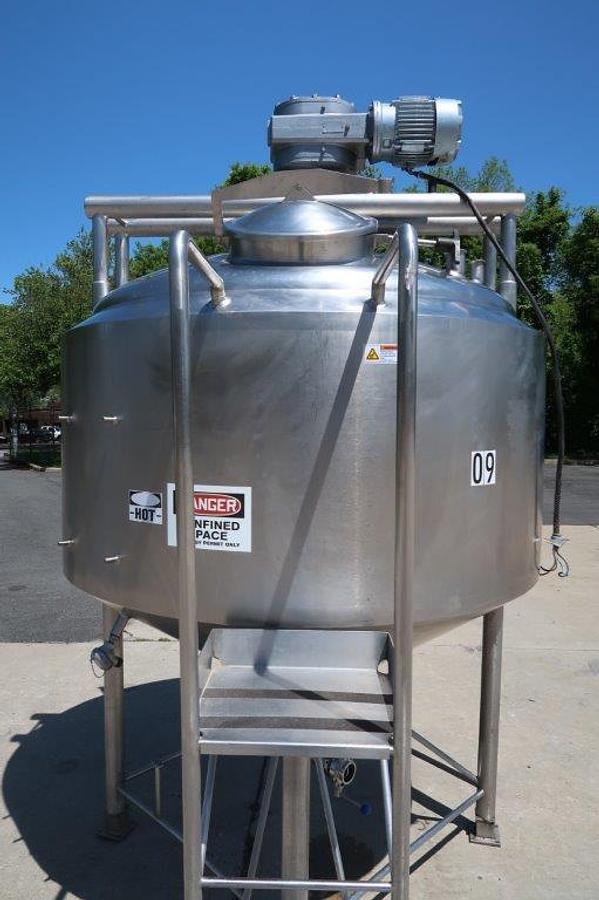
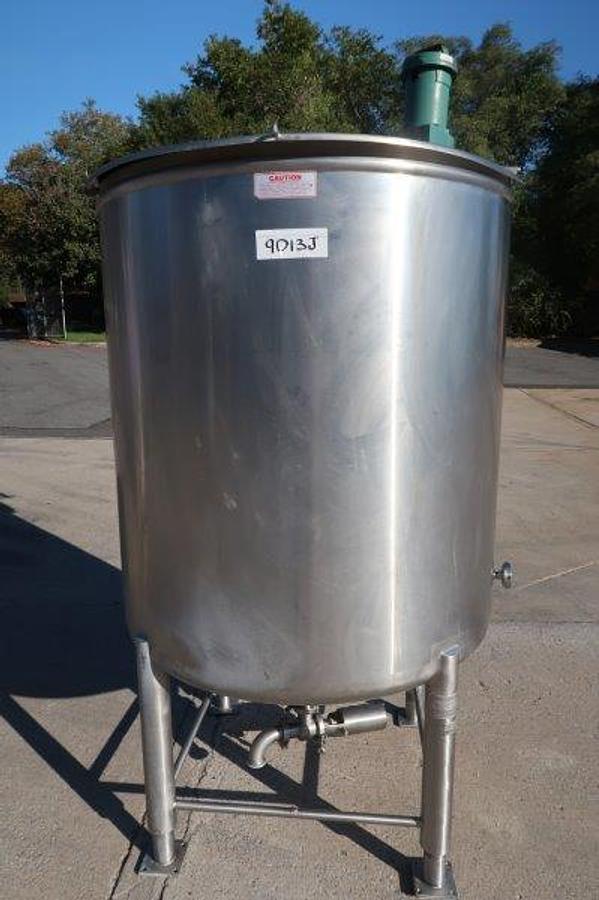
APV Crepaco built a broad line of sanitary processing equipment over its history, and many of these machines circulate regularly on the used market. The most frequently available categories include plate heat exchangers, scraped surface heat exchangers, homogenizers, pasteurizers, evaporators, and mixing systems. Stainless steel mix tanks and jacketed mixing kettles are also common finds, including configurations such as 300-gallon open tanks and 600-gallon closed jacketed kettles rated for 100 PSI jacket pressure. These mixing vessels are typically constructed from 304 or 316 stainless steel to meet sanitary processing requirements.
Beyond mixing and heat transfer equipment, used APV Crepaco inventory often includes refrigeration units and fermentation-related processing systems. The brand was particularly prominent in dairy and liquid food processing, so much of the available equipment reflects those applications. Buyers sourcing used APV Crepaco machines should expect to find a range of capacities and configurations, and it is worth contacting specialized dealers directly to ask about current inventory, since stock in this category turns over regularly.
What industries use APV Crepaco processing equipment?
APV Crepaco equipment was engineered primarily for industries where sanitary conditions, precise temperature control, and consistent product quality are non-negotiable. The dairy industry has historically been the largest user, relying on APV Crepaco pasteurizers, heat exchangers, and mixing systems for fluid milk, cream, yogurt, ice cream mix, and cheese processing. Liquid food and beverage manufacturers also use this equipment extensively for applications like juice processing, sauces, and other pumpable food products that require controlled heating, cooling, or homogenization.
Beyond food and dairy, APV Crepaco equipment sees use in pharmaceutical and personal care manufacturing, where the same sanitary construction standards and process control capabilities translate well to non-food applications. Fermentation operations, including those in brewing and bioprocessing, have also adopted APV Crepaco mixing and heat transfer equipment. The brand's reputation for dependability and technological sophistication made it a go-to choice across any industry where contamination risk must be minimized and product consistency is critical.
Is used APV Crepaco equipment reliable, and how long does it typically last?
APV Crepaco built a strong reputation for durability, and that reputation is a primary reason the brand remains highly sought after on the secondary market decades after much of it was manufactured. The equipment was constructed with heavy-gauge stainless steel and engineered to handle continuous production demands in demanding sanitary environments. Many units still in circulation today have logged substantial production hours and continue to perform reliably when properly maintained. The longevity of any individual machine, however, depends significantly on how it was operated, how consistently it was cleaned and maintained, and whether it was stored properly after decommissioning.
Buyers considering used APV Crepaco equipment should treat each machine as an individual case rather than relying solely on brand reputation. A well-maintained unit that was recently decommissioned from an active facility is a very different proposition than one that sat idle for years without proper care. Arranging a thorough inspection before purchase is the most reliable way to assess actual condition. Reputable dealers will accommodate in-person or video inspections so buyers can evaluate wear, surface condition, gaskets, seals, and mechanical components before committing to a purchase.
What should I inspect before purchasing used APV Crepaco processing equipment?
A careful pre-purchase inspection of used APV Crepaco equipment should cover both the mechanical and sanitary condition of the machine. On the mechanical side, buyers should look at the condition of motors, drives, pumps, and any moving components for signs of wear, corrosion, or damage. For heat exchangers, check the condition of plates and gaskets, since worn or cracked gaskets are a common maintenance item and can affect both performance and sanitary compliance. For mixing tanks and kettles, examine welds, interior surfaces, agitator shafts, and jacket integrity, paying particular attention to any pitting or corrosion on product-contact surfaces.
From a sanitary standpoint, buyers sourcing equipment for dairy or food applications should confirm whether the unit was built to 3-A Sanitary Standards and whether it can realistically be returned to compliance if it has been out of service. It is also worth consulting with the manufacturer's current support organization to understand parts availability for the specific model. Most reputable dealers will offer in-person inspections at the storage location or facilitate video walkthroughs of the equipment. Keep in mind that dealers typically do not have production permits, so functional testing with actual product is generally not possible, but a thorough visual and mechanical inspection can still reveal a great deal about the machine's condition.
Are replacement parts still available for older APV Crepaco models?
Parts availability for APV Crepaco equipment varies depending on the model and its age. SPX Flow, which absorbed the APV brand through a series of corporate acquisitions, is the primary source for manufacturer-supported parts on many APV product lines. For more current or widely produced models, authorized distributors can often supply genuine replacement components. That said, as equipment ages and production of specific models ends, manufacturer support tends to taper off, and buyers should contact SPX Flow or their distributors directly to gauge what level of parts support they can realistically expect for a particular machine.
For older or discontinued models, the aftermarket parts ecosystem can fill some gaps. Third-party suppliers manufacture compatible gaskets, plates, seals, and other wear items for many APV Crepaco heat exchanger and pasteurizer configurations. Fabricators can also reproduce certain components from original specifications. Before purchasing a used APV Crepaco machine, it is a practical step to research parts availability for that specific model, since the cost and ease of ongoing maintenance should factor into the total cost of ownership calculation. A machine with limited parts support may require more planning and lead time to keep running.
Does used APV Crepaco equipment meet current FDA and 3-A sanitary standards?
APV Crepaco equipment was manufactured to meet the sanitary standards in effect at the time of production, and much of it was built in compliance with 3-A Sanitary Standards and the Pasteurized Milk Ordinance (PMO), which are the primary benchmarks for dairy and liquid food processing in the United States. Whether a specific used unit still meets current standards depends on several factors, including the version of the standards it was originally built to, how the equipment was used and maintained, and whether any modifications were made during its service life. Standards do evolve over time, so buyers should not assume that age alone disqualifies a machine, but they should verify compliance rather than taking it for granted.
For dairy applications in particular, PMO compliance is not optional, and buyers should work with a qualified sanitarian or equipment specialist to assess whether a used machine can be brought into compliance for their specific operation. Surface condition of product-contact areas, gasket and seal materials, and CIP (clean-in-place) compatibility are all relevant factors. If the equipment will be used in a regulated facility, involving the relevant regulatory authority early in the evaluation process can prevent costly surprises after purchase.
What is the typical price range for used APV Crepaco equipment?
Pricing for used APV Crepaco equipment spans a wide range depending on the type of machine, its capacity, age, condition, and current market demand. Smaller components and accessories can be found for a few hundred to a few thousand dollars, while larger systems such as complete pasteurizers, multi-effect evaporators, or high-capacity homogenizers can run from tens of thousands to well over a hundred thousand dollars. Mixing tanks and jacketed kettles, which are among the more commonly available items, typically fall somewhere in between depending on capacity and construction details. A 300-gallon stainless mix tank and a 600-gallon jacketed kettle rated for 100 PSI, for example, represent meaningfully different price points based on their complexity and pressure ratings.
Buyers should factor in more than just the purchase price when budgeting for used APV Crepaco equipment. Rigging, freight, and any required refurbishment or parts replacement will add to the total landed cost. Larger machines may require specialized rigging equipment for loading and unloading, which adds cost. Contacting the dealer early to get a clear picture of packaging, shipping, and any known reconditioning needs will help avoid budget surprises. The best way to get accurate pricing is to contact dealers who specialize in sanitary food and dairy processing equipment, since they will have the most relevant market knowledge.
What should buyers know about shipping used APV Crepaco equipment?
Shipping used APV Crepaco equipment requires more planning than standard freight because of the size, weight, and precision construction of most sanitary processing machines. Smaller items like mix tanks may be palletized and crated for standard LTL freight, while larger systems such as pasteurizers, evaporators, or multi-component processing lines typically require flatbed transport and professional rigging for both loading at the origin and unloading at the destination. The level of packaging required directly affects shipping costs, so buyers should ask dealers for specifics on how the equipment will be prepared for transit before agreeing to a purchase.
Rigging costs are often quoted separately from freight and can be significant for heavy or awkwardly sized equipment. Buyers should request a full breakdown of packaging, rigging, and freight charges to understand the complete landed cost before making a decision. Stainless steel equipment can be vulnerable to surface damage if not properly secured during transit, so working with dealers who have experience shipping sanitary processing equipment is important. International buyers should also account for customs documentation, import duties, and any compliance requirements in the destination country, which can add both cost and lead time to the transaction.
How does buying used APV Crepaco equipment compare to purchasing other used sanitary processing equipment?
APV Crepaco occupies a distinct position in the used sanitary equipment market because of the brand's long-standing reputation for build quality and engineering precision. Buyers who have experience with the brand often seek it out specifically because the equipment tends to hold up well over time and was built to demanding specifications for dairy and food processing applications. This reputation creates consistent secondary market demand, which means used APV Crepaco machines sometimes command a price premium compared to lesser-known brands of similar age and capacity. For buyers who need reliable performance in a regulated production environment, that premium is often considered worthwhile.
That said, brand reputation alone should not be the deciding factor. The condition of any individual machine matters more than the nameplate on it. A well-maintained unit from a secondary brand in excellent condition will outperform a neglected APV Crepaco machine that has been sitting idle for years. Buyers should evaluate condition, parts availability, compliance with current sanitary standards, and total landed cost regardless of the brand. APV Crepaco's advantage is that its widespread historical use in the dairy and food industry means there is a relatively deep pool of experienced technicians, aftermarket parts suppliers, and knowledgeable dealers familiar with the equipment.
What payment terms should buyers expect when purchasing used APV Crepaco equipment?
Most used equipment dealers require payment in full before a machine is released for shipping. This is standard practice in the industry and applies to most transactions involving used sanitary processing equipment, including APV Crepaco machines. The rationale is straightforward: dealers are selling physical assets that are difficult to recover if a buyer defaults after the equipment has shipped. Buyers should plan accordingly and have financing or capital in place before entering into a purchase agreement, since most dealers will not hold equipment for extended periods without payment.
Some dealers may offer more flexible payment arrangements to established customers with a documented purchase history, but first-time buyers should generally expect to pay in full upfront. Wire transfer is the most common payment method for transactions of this size, though dealers may accept other forms of payment depending on the transaction amount and their internal policies. Buyers should clarify payment expectations early in the negotiation process, along with the timeline from payment to shipment, so there are no misunderstandings about when the equipment will be released and dispatched.