Category
Manufacturer
Model
AMF
AMF specializes in high-performance automated bakery equipment, serving the food and beverage industry with a focus on products like bread and pastry production lines. Their dough handling and forming systems are recognized for precision and efficiency, supporting large-scale bakery operations worldwide.
FAQ:
What types of AMF bakery equipment are commonly available on the used market?
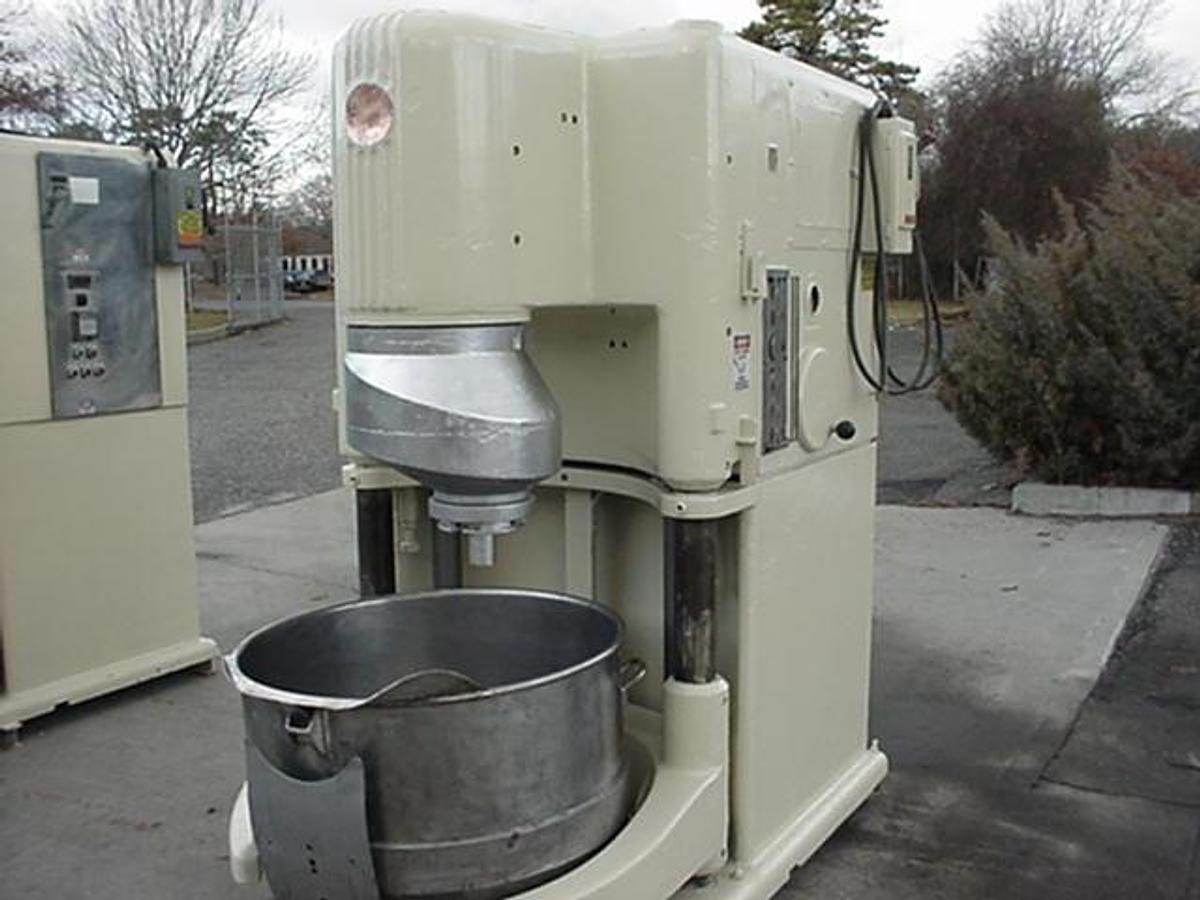
AMF produces a wide range of industrial baking equipment, and most of it surfaces regularly on the used market as large commercial bakeries upgrade or consolidate operations. Common categories include dough dividers, rounders, molders, proofers, depanners, bread slicers, and complete automated bread production lines. Mixing equipment is also frequently available, including large-capacity vertical mixers such as the AMF Glen 340 Qt. Vertical Mixer with bowl. Ovens, conveyors, and pan handling systems round out the typical inventory you'll find from specialized used equipment dealers.
Because AMF focuses on high-performance automated systems for large-scale bread and pastry production, the equipment tends to be heavy-duty and built for continuous operation. That industrial construction is actually one of the reasons used AMF machines hold up well over time and remain in demand. Buyers looking for a specific machine type, such as a dough forming system or a complete line, should work with dealers who specialize in bakery equipment, since they're more likely to source the right configuration and have the technical knowledge to describe the machine's condition accurately.
Is used AMF bakery equipment a good fit for small or artisan bakeries?
AMF equipment is engineered for high-volume, automated commercial and industrial bakery operations. Most of their systems are designed to run thousands of units per hour, which means the throughput capacity, physical footprint, and energy requirements can be significant. For a small or artisan bakery producing limited daily volumes, a full AMF bread line or large-capacity mixer may simply be more machine than the operation needs, and the capital cost, installation complexity, and ongoing maintenance demands may not pencil out at lower production volumes.
That said, individual pieces of AMF equipment, rather than complete lines, can sometimes make sense for mid-sized operations that are scaling up. A used AMF vertical mixer, for example, might serve a growing bakery that needs reliable high-capacity mixing without investing in a full automated system. The key is to match the machine's rated capacity to your actual production requirements. Buyers in this situation should discuss their output goals with a knowledgeable used equipment dealer before purchasing, since buying a machine that's consistently underutilized can lead to higher maintenance costs relative to the value it delivers.
What should buyers know about parts availability for older AMF bakery equipment?
Parts availability is one of the most important due-diligence items for anyone considering a used AMF machine, particularly older or legacy models. AMF Bakery Systems, now part of the Markel Food Group, continues to operate as an active manufacturer, which is a positive sign for ongoing support compared to brands that have been discontinued entirely. However, the level of parts and technical support available for a specific machine can vary considerably depending on its age and model. Before committing to a purchase, buyers should contact AMF directly to ask whether parts are still stocked or can be manufactured for the model in question.
Beyond the manufacturer, a secondary market of third-party parts suppliers exists for many popular AMF models, particularly for components like belts, bearings, and wear parts that are common across multiple machine generations. A reputable used equipment dealer who specializes in bakery machinery will often have insight into which models are well-supported and which may present sourcing challenges. Getting this information upfront, before the purchase, is far more practical than discovering a parts gap after the machine is installed in your facility.
Does used AMF bakery equipment come with a warranty?
Used bakery equipment, including AMF machines sold through equipment dealers, is generally sold on an as-is basis. Warranties are typically provided by equipment manufacturers on their products; used equipment dealers do not normally extend manufacturer-style warranties on machines that have had prior operational lives. This is standard practice across the used industrial equipment market and is not specific to AMF or to bakery machinery.
Because there is no warranty backstop, the inspection process becomes the buyer's primary protection. Reputable used equipment dealers will accommodate in-person inspections, virtual walkthroughs, or detailed video reviews of machines so buyers can assess condition before committing. It's also worth consulting directly with AMF Bakery Systems about the specific model you're considering, since the manufacturer can give you a realistic picture of what technical support, parts, and service resources are available for that machine's age and configuration. Choosing a dealer with a long track record in bakery equipment specifically, rather than a general industrial reseller, significantly reduces the risk of purchasing a machine whose condition has been misrepresented.
How should buyers inspect used AMF bakery equipment before purchasing?
A thorough inspection is the most important step in buying used AMF bakery equipment, and buyers have several options for how to conduct one. In-person inspections are the gold standard, allowing a buyer or their technician to examine the machine directly, check for wear on critical components, review the condition of electrical systems and mechanical drives, and ask questions on the spot. Some machines being sold are still in active production at a facility, which can actually be an advantage since the buyer can observe the equipment running under real conditions. Others may be decommissioned and stored, in which case a physical inspection of the machine's components is still possible even without a production test.
For buyers who cannot travel, most reputable dealers offer virtual inspections via video call or provide detailed video documentation of the machine. Keep in mind that even a thorough inspection has limits: equipment dealers typically do not have the production permitting or infrastructure to run a full baking trial, so buyers should not expect to test actual product output during an inspection. The goal is to get an accurate picture of the machine's mechanical and electrical condition. Bringing in an independent AMF-experienced technician to participate in the inspection, either in person or remotely, is a practical way to add a second set of expert eyes before finalizing a purchase.
What maintenance does AMF bakery equipment typically require to stay in good working condition?
AMF equipment is built for demanding, continuous production environments, but like all industrial machinery, it requires consistent preventive maintenance to stay reliable. Routine tasks typically include lubrication of drive chains, bearings, and gearboxes on scheduled intervals; inspection and replacement of belts and wear parts; cleaning of dough contact surfaces to prevent buildup that can affect performance and food safety compliance; and regular checks of electrical connections, sensors, and control systems. Larger automated systems, such as complete bread lines, have more components and therefore more maintenance touchpoints than standalone machines like a vertical mixer.
For buyers purchasing used AMF equipment, the maintenance history of the specific machine is worth asking about. A machine that was well-maintained in a professional production environment will typically be in better condition than one that ran in a facility with deferred maintenance. Buyers should also factor in the cost of a full service and inspection by a qualified technician upon installation, regardless of how good the machine looks during the pre-purchase review. AMF Bakery Systems or authorized service providers can often supply maintenance manuals and recommended service schedules for specific models, which is a useful resource for establishing an ongoing maintenance program after the equipment is in operation.
Can used AMF bakery equipment be integrated into an existing production line?
Integration is one of the more technically involved aspects of adding a used AMF machine to an existing bakery operation, and it depends heavily on the specific equipment and the layout of the facility. AMF designs its systems with industrial-scale automation in mind, so many components, such as dough dividers, rounders, and molders, are built to connect with upstream and downstream equipment. In some cases, a used AMF machine can slot into a line that already uses AMF components, since the mechanical and electrical interfaces may be compatible. In other cases, custom conveyor sections, control system modifications, or speed-matching adjustments may be needed.
Buyers planning to integrate a used AMF machine into an existing line should involve a qualified bakery equipment technician or systems integrator early in the process, ideally before the purchase is finalized. Sharing the machine's model number and specifications with that technician, along with details about the existing line, allows for a realistic assessment of what integration will require in terms of time, cost, and any additional components. Reputable used equipment dealers who specialize in bakery machinery can often provide guidance on compatibility and may have experience placing similar machines in comparable production environments.
What are the shipping and logistics considerations for buying used AMF bakery equipment?
AMF bakery equipment ranges from standalone machines like vertical mixers to large multi-component production line systems, and the shipping logistics vary significantly depending on what's being moved. Smaller standalone units may be palletized and shipped via freight carrier, while larger systems often require custom crating and heavy-duty rigging for both loading at the seller's location and unloading at the buyer's facility. Rigging costs, which cover the labor and equipment needed to safely move heavy industrial machinery, are typically separate from freight charges and should be factored into the total landed cost before finalizing a purchase.
Buyers should ask the equipment dealer for a clear breakdown of all packaging, crating, rigging, and freight costs upfront. The level of packaging required to protect a machine in transit, whether standard palletization or full custom crating, affects both the cost and the safety of the shipment. For international purchases, additional considerations include customs documentation, import duties, and compliance with the destination country's electrical standards, since AMF equipment may be configured for specific voltage and frequency requirements. Getting all of these details in writing before the sale closes prevents surprises and makes it easier to plan the installation timeline on the receiving end.
What payment terms are typical when purchasing used AMF bakery equipment?
The standard practice in the used industrial equipment market is for dealers to require full payment before the equipment is shipped. This applies broadly across used bakery equipment transactions, including AMF machinery. The rationale is straightforward: once a machine leaves the dealer's facility, the dealer has no practical recourse if payment is not completed, so full prepayment protects both parties and keeps the transaction clean. Wire transfer is the most common payment method for large equipment purchases, though dealers may accept other forms depending on the transaction.
Some dealers extend payment terms to repeat customers with an established purchasing history, but this is the exception rather than the rule for first-time buyers. Buyers who need financing should explore equipment financing options through third-party lenders that specialize in industrial or food processing machinery, as these lenders are familiar with the asset class and can move relatively quickly on credit decisions. Before committing to a purchase, buyers should confirm the exact payment requirements with the dealer and understand the timeline between payment, machine preparation, and shipping, so there are no gaps in the production planning process.
Why is AMF considered a reliable brand in the used bakery equipment market?
AMF Bakery Systems has been a prominent name in automated bread and pastry production for decades, with installations in large commercial bakeries across multiple continents. The brand is associated with high-capacity dough handling and forming systems that are engineered for precision and durability in demanding production environments. AMF was acquired by the Markel Food Group, which has continued to invest in the brand and its product lines, meaning the manufacturer remains an active entity rather than a legacy name with no ongoing support structure. That active manufacturer status matters to used equipment buyers because it affects parts availability and technical support options.
The durability of AMF equipment is a significant factor in its reputation on the secondary market. Machines that are built to run continuously in industrial bakeries tend to have long operational lifespans when properly maintained, which means a well-cared-for used AMF machine can still have many productive years ahead of it. Buyers benefit from this by accessing industrial-grade capability at a fraction of the cost of comparable equipment purchased directly from a manufacturer. The key is sourcing from dealers who specialize in bakery equipment and have the expertise to accurately represent the condition and history of the machines they sell.