Category
Manufacturer
Model
FAQ:
What is an A.T.S. VP8 Rotary Cup Filler/Sealer/Lidder and what does it do?
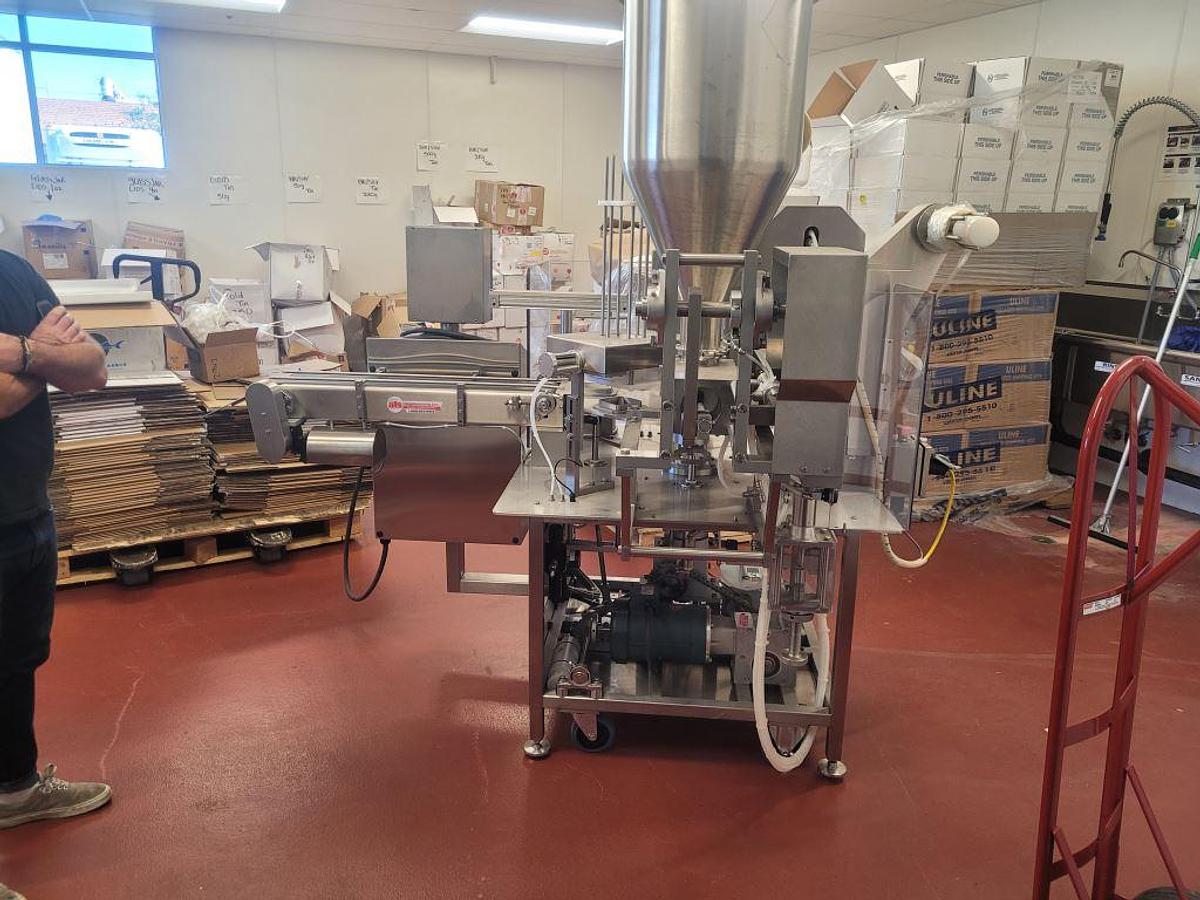
The A.T.S. VP8 is a rotary cup filling, sealing, and lidding machine used in food, dairy, beverage, and similar packaging operations. It automates the process of filling pre-formed cups with a product, applying a foil or film seal, and placing a lid, all in a single continuous rotary motion. This type of machine is a staple in high-volume production environments where speed, consistency, and hygiene are critical. Common applications include yogurt, pudding, juice, condiments, and other portioned products that are sold in sealed single-serve or multi-serve cups.
The rotary design allows multiple filling and sealing stations to operate simultaneously, which significantly increases throughput compared to inline or indexing machines. Buyers evaluating a used VP8 should pay close attention to the number of cavities, fill volume range, sealing head condition, and compatibility with their specific cup and lid formats. Because this is a precision packaging machine, the condition of the sealing dies, cam followers, and filling nozzles directly affects output quality, so a thorough inspection before purchase is strongly advised.
What industries commonly use A.T.S. cup filling and sealing machinery?
A.T.S. cup filling and sealing machines are most commonly found in food and beverage manufacturing, particularly in dairy processing plants producing yogurt, sour cream, cottage cheese, and similar portioned products. They are also widely used in juice and smoothie packaging, portion-controlled condiment filling, and specialty food production where tamper-evident sealed cups are required by retailers or food safety regulations. The pharmaceutical and nutraceutical industries also use cup filler/sealer equipment for packaging supplements, gels, and single-dose products, though the sanitary and regulatory requirements in those sectors are more stringent.
Beyond food and pharma, these machines appear in cosmetics and personal care manufacturing for items like single-use creams, gels, and sample packs. Industrial sectors occasionally use similar equipment for lubricant or chemical portion packs. The versatility of rotary cup filling and sealing technology means that a well-maintained used machine can often be repurposed across product types with the right tooling changeover, making used A.T.S. equipment attractive to contract packagers and co-manufacturers who run diverse product lines.
What should buyers inspect when evaluating a used A.T.S. rotary cup filler/sealer?
Inspecting a used rotary cup filler/sealer requires a methodical review of both mechanical and operational components. The sealing station is one of the most critical areas, as worn or damaged sealing dies will produce inconsistent or failed seals, which can mean product recalls or customer complaints. Buyers should examine the sealing heads for wear, check the heating elements and temperature control systems, and verify that the cam and indexing mechanisms operate smoothly without excessive play or noise. The filling nozzles and valves should be checked for leaks, wear, and ease of disassembly for cleaning, since sanitary design is essential in food-grade applications.
Beyond the sealing and filling components, buyers should assess the condition of the machine frame, conveyor systems, cup denesting mechanisms, and any in-feed or out-feed automation. Electrical panels, PLCs, and HMI screens should be reviewed for age, functionality, and parts availability. Reputable used equipment dealers will typically accommodate in-person or video inspections, and some machines may still be in production at a facility, allowing buyers to observe the equipment running live product. Consulting the machine manufacturer about parts availability and technical support for the specific model and serial number is also a smart step before committing to a purchase.
What factors affect the price of used A.T.S. machinery?
The price of used A.T.S. packaging machinery is shaped by several interconnected factors. Machine age and overall condition are the most obvious drivers, but production hours, maintenance history, and the availability of spare parts for that specific model also carry significant weight. A machine that has been well-maintained in a food-grade facility with documented service records will generally command a higher price than one that has been sitting idle or decommissioned without documentation. The completeness of the machine matters too, meaning whether all tooling, change parts, manuals, and ancillary components are included in the sale.
Market demand for a particular machine type also plays a role. Cup filling and sealing equipment for dairy and food applications tends to hold its value reasonably well because the demand for portioned packaging continues to grow. Configuration specifics like fill volume range, number of cavities, sealing format, and whether the machine handles foil, film, or rigid lids can all affect desirability and price. Buyers should also factor in the full landed cost, including rigging, crating, freight, and any refurbishment or parts replacement needed to bring the machine to production-ready condition, since these costs can add meaningfully to the purchase price.
Are used A.T.S. machines sold with a warranty?
Used industrial machinery is typically sold on an as-is basis, which is standard practice across the used equipment industry. Warranties are generally only offered by manufacturers on equipment they produce and sell directly. When purchasing through a used equipment dealer, the responsibility for assessing the machine's condition falls on the buyer, which is why thorough pre-purchase inspection is so important. This is not unique to any one dealer or brand; it reflects how the secondary market for industrial machinery operates broadly.
Because there is no warranty safety net, buyers should prioritize working with dealers who have an established track record in the specific type of equipment they are selling, as experience and specialization reduce the risk of misrepresented equipment. Buyers should also contact the machine manufacturer directly to understand what level of technical support, spare parts, and service documentation is available for the particular model and vintage they are considering. Some older models may have limited parts availability, while others remain well-supported. Getting that information before purchase helps buyers make a realistic assessment of the total cost and risk involved.
How does shipping and delivery work for large used packaging machinery like a rotary cup filler/sealer?
Shipping large industrial packaging equipment involves several steps beyond standard freight. Machines of this size and complexity need to be properly prepared for transit, which typically means draining fluids, securing moving parts, and either palletizing or building a custom crate around the machine to prevent damage. The level of packaging required depends on the machine's dimensions, weight, fragility of components, and the mode of transport being used. Buyers should ask dealers specifically what packaging will be provided and whether the cost is included in the quoted price or billed separately.
For heavier machines, professional rigging is required for both loading at the origin and unloading at the destination. This involves forklifts, overhead cranes, or specialized rigging crews depending on the machine's footprint and weight, and rigging costs are typically an added expense on top of freight. Buyers should request a detailed breakdown of all logistics costs, including packaging, rigging, freight, and any fuel surcharges or accessorial fees, to understand the true landed cost before finalizing a purchase. Lead times will vary depending on how quickly the machine can be prepared for shipment and carrier availability, so buyers with production deadlines should discuss timing with the dealer early in the process.
What payment terms are typical when buying used industrial machinery?
In the used industrial machinery market, dealers most commonly require full payment before a machine is released for shipment. This is standard practice and reflects the nature of the secondary equipment market, where machines are often one-of-a-kind inventory items. Payment is usually made by wire transfer, though some dealers may accept other forms depending on the transaction size and buyer relationship. Buyers purchasing for the first time from a dealer should expect to pay in full upfront and should factor that into their procurement planning.
Some dealers extend payment terms to repeat customers with whom they have an established relationship, but this is at the dealer's discretion and not a standard offering. Buyers who need financing should explore equipment financing options through third-party lenders or their own banking relationships, as many commercial lenders do offer loans or lease arrangements for used industrial equipment. It is worth discussing financing needs early in the process so that approvals can be secured before a machine is committed to another buyer. Asking about payment expectations and timelines is a straightforward part of any used machinery negotiation.
Can buyers inspect used A.T.S. machinery before purchasing?
Inspections are a standard and strongly encouraged part of buying used industrial machinery. Reputable dealers will typically offer buyers the option to inspect equipment in person at the dealer's facility, or remotely through video calls and recorded walkthroughs. Video inspections have become increasingly practical and allow buyers to observe the machine's condition, review major components, and ask questions in real time without the expense of traveling to the machine's location. For buyers who want a more formal assessment, hiring an independent machinery inspector or sending a qualified technician to evaluate the equipment is always an option.
In some cases, a machine may still be installed and running at the facility where it was originally used, which can allow for a live operational inspection arranged between the dealer and the current facility owner. This is particularly valuable for verifying that the machine cycles correctly and that key systems like sealing, filling, and controls are functioning. Keep in mind that most used equipment dealers are not set up to run actual product through a machine, as production operations require different permitting and facilities than a machinery dealership. The goal of any inspection is to get an accurate, honest picture of the machine's current mechanical condition so that the buyer can make an informed decision.
What spare parts and technical support should buyers expect for an older A.T.S. packaging machine?
Parts availability and technical support for used packaging machinery vary considerably depending on the machine's age, model, and the manufacturer's current business status. Before purchasing, buyers should contact the machine manufacturer directly to ask which parts are still in production, what the lead times are for common wear items, and whether technical documentation such as manuals, electrical schematics, and parts lists can be obtained. For a machine like the A.T.S. VP8, understanding the availability of sealing dies, filling nozzles, cam components, and control system parts is particularly important since these are the components most likely to need replacement over time.
In cases where manufacturer support is limited, buyers often turn to third-party machine shops and parts fabricators who can reproduce mechanical components from drawings or existing parts. Experienced packaging machinery technicians who specialize in cup filling and sealing equipment can also be a valuable resource for maintenance and troubleshooting. Joining industry groups or connecting with other operators running the same equipment type can provide practical knowledge about sourcing parts and keeping older machines running. Factoring in the cost and complexity of ongoing parts procurement is an important part of evaluating the total cost of ownership for any used machine.
How does buying used A.T.S. machinery compare to purchasing new packaging equipment?
Purchasing used packaging machinery offers a significant cost advantage over buying new equipment, often at a fraction of the price for comparable functionality. For operations that need to add capacity quickly, used equipment can also be available for much faster delivery than new machines, which frequently involve long lead times due to custom manufacturing and global supply chain factors. Used machines that have been running in production environments have also already proven their reliability under real-world conditions, which removes some of the uncertainty that can come with first-generation production runs on newly designed equipment.
The trade-offs are real, though. Used machines come without the benefit of the latest design improvements, updated safety features, or digital integration capabilities that newer equipment may offer. Older machines may also have higher energy consumption, less precise control systems, and more limited compatibility with modern plant automation. Buyers need to weigh these factors against their budget, production requirements, and the availability of technical support for the specific model. For many food and beverage producers, a well-maintained used rotary cup filler/sealer represents a practical and cost-effective path to adding packaging capacity without the capital outlay of new equipment.