Category
Manufacturer
Model
FAQ:
What types of used industrial equipment are typically listed under the A.M. Williams brand?
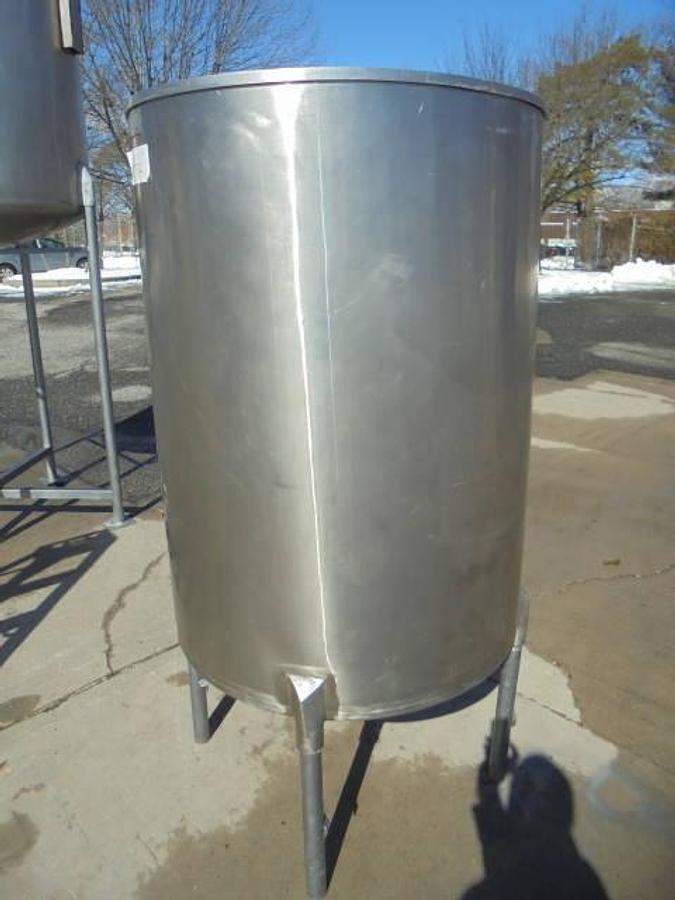
A.M. Williams is associated with industrial processing equipment, and listings under this name tend to include tanks, filtration systems, mixing equipment, and other process-related machinery used in food, chemical, pharmaceutical, and related manufacturing industries. The specific inventory available at any given time will vary depending on what has come off the market from decommissioned facilities or plant upgrades. One example of equipment that surfaces in used markets is stainless steel vertical tanks with cone bottoms, which are common in liquid processing and storage applications across multiple industries.
Because all A.M. Williams equipment sold through used dealers is pre-owned rather than factory-fresh, buyers should expect some variation in age, condition, and configuration from one listing to the next. Each machine has its own service history, and specifications like capacity, material construction, and fittings can differ even among units that share the same model designation. Reviewing the full specifications sheet for any specific listing is the best way to confirm whether a particular piece fits your application before reaching out to the seller.
What industries commonly use A.M. Williams processing equipment?
Processing equipment associated with the A.M. Williams name finds application across a range of industries that require precise handling of liquids, solids, or slurries. These include food and beverage production, dairy processing, pharmaceutical manufacturing, cosmetics, specialty chemicals, and industrial coatings. Stainless steel tanks and filtration-related equipment, which appear frequently in used listings, are particularly common in sanitary processing environments where hygiene standards are strict and material compatibility matters.
Buyers from these industries often source used equipment as a cost-effective way to expand capacity or replace aging machinery without the lead times associated with ordering purpose-built equipment. Because the equipment has already been used in a production context, it is often already configured for the types of applications these industries require. That said, buyers should confirm that any used unit meets current regulatory and sanitary standards for their specific process before putting it into service, as requirements can vary by product type, jurisdiction, and facility certification.
How do I verify the condition of used industrial processing equipment before purchasing?
Verifying condition before committing to a purchase is one of the most important steps in buying used industrial equipment. Reputable used equipment dealers will typically offer in-person inspections, video walkthroughs, or photo documentation of the machine in its current state. If the equipment is still installed at the facility where it was last used, some dealers can arrange for a buyer or their representative to visit the plant directly and observe the machine, whether it is still running or has been decommissioned. This gives the buyer the clearest possible picture of the unit's working condition.
When an in-person visit is not practical, a detailed video inspection conducted by the dealer is a reasonable alternative. Ask the seller to show all relevant areas of the machine, including welds, fittings, interior surfaces, and any mechanical or electrical components. Request information on hours of use, service history, and any known repairs or modifications. Keep in mind that most used equipment dealers are not set up to run full production tests, since operating a machine at production capacity requires permitting and facility resources that a dealer typically does not have. The goal of any inspection is to get an honest, accurate picture of the machine's current state, not a performance guarantee.
Does used industrial equipment come with a warranty?
Warranties on used industrial equipment work very differently from what buyers might expect when purchasing from a manufacturer. Manufacturers are the entities that typically issue warranties, and those warranties are usually tied to the sale of equipment directly from the factory. Once equipment enters the secondary market and changes hands, manufacturer warranties are generally no longer in effect. Used equipment dealers almost universally sell machinery on an as-is basis, meaning the buyer accepts the equipment in its current condition.
This puts the responsibility of due diligence squarely on the buyer, which is why thorough inspection before purchase is so critical. Choosing a dealer with a long track record in the industry and a specialization in the relevant equipment category reduces risk considerably. It is also worth contacting the manufacturer of the specific machine to understand what level of technical support, service documentation, and parts availability they can offer for that particular model and age of equipment. Older or discontinued models may have limited manufacturer support, which is a practical consideration that should factor into any purchasing decision.
What should I know about shipping costs for used industrial equipment?
Shipping costs for used industrial equipment can vary significantly and are influenced by several factors that buyers should understand before finalizing a purchase. The size and weight of the machine are the most obvious variables, but the level of packaging required also plays a major role. Smaller components may need palletizing, while larger tanks or processing units often require custom crating to prevent damage in transit. The cost of that packaging work is typically passed on to the buyer and should be factored into the total landed cost of the equipment.
For heavy or oversized machinery, rigging is often required for both loading at the seller's location and unloading at the destination. Rigging involves specialized equipment and trained personnel, and it adds to the overall shipping expense. Freight rates themselves will depend on distance, carrier selection, and whether the shipment qualifies as a standard freight load or requires specialized transport. Before agreeing to a purchase, buyers should ask the dealer for a detailed breakdown of all shipping-related costs, including packaging, rigging, freight, and any destination fees, so there are no surprises when the equipment arrives.
What are the typical payment terms when buying used industrial equipment?
Payment practices in the used industrial equipment market are fairly consistent across reputable dealers. In most cases, full payment is required before the equipment is released for shipping. This protects the seller from the risks associated with releasing machinery before funds have cleared, and it is standard practice even for relatively straightforward transactions. Buyers should be prepared to wire funds or arrange another accepted form of payment well in advance of their expected delivery date.
Some dealers will extend payment terms to buyers with whom they have an established purchasing history, but this is not something a first-time buyer should expect. If financing is a consideration, buyers are generally better served by arranging their own equipment financing through a bank or specialty lender before approaching a dealer, rather than expecting the dealer to carry the terms. Having financing pre-arranged also puts a buyer in a stronger position to move quickly when a desirable piece of equipment becomes available, since used inventory can sell fast when demand is high for a particular type of machine.
How can I find out if replacement parts are available for a specific used machine?
Parts availability is one of the most practical concerns for anyone buying used industrial processing equipment, and it deserves serious attention before a purchase is made. The best starting point is to contact the manufacturer directly and provide them with the model number and approximate age of the machine. Manufacturers can tell you whether they still support that model, what parts remain in production, and whether technical documentation like service manuals or wiring diagrams is still available. This conversation can save a buyer from investing in a machine that will be difficult or impossible to maintain.
For older machines, the aftermarket parts ecosystem is also worth exploring. Many industrial components, including pumps, valves, seals, gaskets, and fittings, are produced by multiple manufacturers and may be available through industrial supply distributors even if the original equipment maker no longer supports the specific model. Third-party repair specialists who work on a particular category of equipment are another resource, as they often have experience sourcing hard-to-find components. Before purchasing any used machine, it is worth spending time on this research so that the long-term cost of ownership is understood, not just the purchase price.
What is a stainless steel cone bottom tank, and what is it used for?
A stainless steel cone bottom tank is a vertical storage or processing vessel with a conical section at the base rather than a flat bottom. The cone shape serves a specific functional purpose: it directs the contents of the tank toward a single outlet point at the lowest part of the vessel, which makes it much easier to fully drain the tank or discharge product without leaving residual material behind. This design is especially valuable in applications where complete drainage is required for sanitation, batch accuracy, or product recovery.
These tanks are widely used in food and beverage production, dairy processing, brewing, pharmaceutical manufacturing, and chemical processing. Stainless steel construction is preferred in sanitary applications because the material resists corrosion, does not react with most food-grade and pharmaceutical substances, and can withstand the high-temperature cleaning and sterilization cycles that regulated industries require. Used stainless steel cone bottom tanks are a popular item in the secondary equipment market because they are durable, long-lasting, and expensive to purchase new, making a quality used unit an attractive option for processors looking to add capacity at a lower cost.
How do I evaluate whether a used tank or processing vessel is still fit for service?
Evaluating a used tank or processing vessel requires looking at both the physical condition of the unit and its history of use. On the physical side, the most important things to examine are the integrity of welds, the condition of interior surfaces, the state of any fittings or nozzles, and whether there is any visible corrosion, pitting, or mechanical damage. For stainless steel equipment used in sanitary applications, interior surface finish matters because a compromised surface can harbor bacteria or contamination. A video or in-person inspection that includes a close look at the interior is worth requesting from any dealer.
Beyond the physical inspection, understanding how the tank was used and what materials it held is important. A vessel that processed food-grade liquids has a different service history than one used for chemical storage, and that history affects how it can be repurposed. Ask the dealer about the previous application, any cleaning or reconditioning that has been done, and whether the tank was pressure-rated or used under vacuum. If the vessel is pressure-rated, confirm whether current certification documentation is available, since pressure vessel certifications are jurisdiction-specific and may need to be renewed or re-inspected by a local authority before the tank can be put back into service.
What factors most affect the price of used industrial processing equipment?
Several variables drive pricing in the used industrial equipment market, and understanding them helps buyers assess whether a listed price is reasonable. Age and condition are the most obvious factors. A machine that is relatively recent, has low hours of use, and has been well-maintained will command a higher price than an older unit with visible wear or an unknown service history. The brand and model also matter, since equipment from manufacturers known for durability and broad parts support tends to hold its value better over time.
Capacity and configuration are equally important pricing drivers. Larger tanks, higher-throughput processing equipment, and units with specialized features like insulation, agitation, or custom fittings are generally priced higher than basic models. Market demand plays a role as well. When a particular type of equipment is in short supply relative to buyer demand, prices rise. Conversely, when a large facility closes and floods the market with similar equipment, prices can soften. Buyers who are not under time pressure often benefit from monitoring the market over a period of weeks or months before purchasing, since availability and pricing can shift meaningfully depending on what comes up for sale.