Category
Manufacturer
Model
A.K. Robbins
A.K. Robbins manufactures a broad array of equipment tailored towards the chemical processing industry. They specialize in reactors and pressure vessels, offering customized solutions that meet stringent safety and performance criteria.
FAQ:
What types of equipment does A.K. Robbins manufacture?
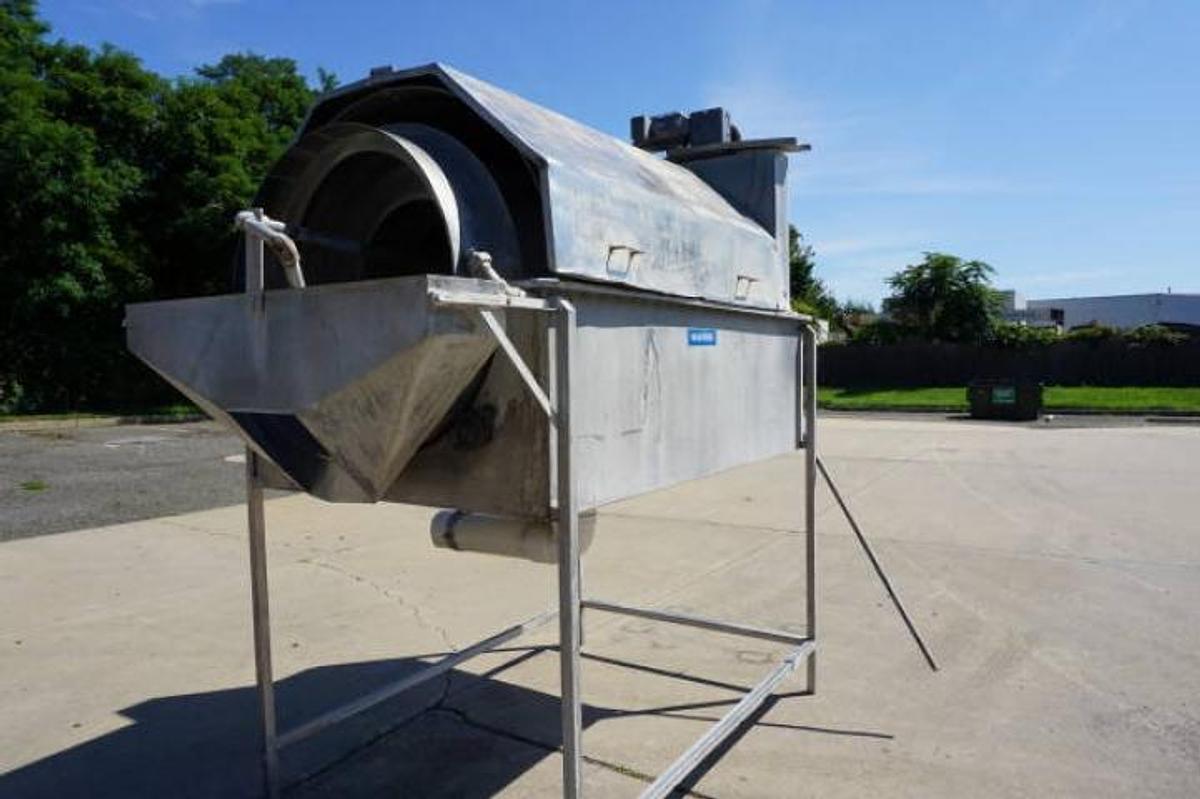
A.K. Robbins is known primarily for equipment designed to serve the chemical processing industry. Their product line includes reactors, pressure vessels, and specialized processing machinery built to meet demanding safety and performance standards. One example of their equipment that surfaces regularly on the used market is the Stainless Steel Rotary Reel Washer, which reflects the kind of precision industrial fabrication the company is associated with.
Because A.K. Robbins equipment is built for chemical processing applications, it tends to be constructed from materials like stainless steel that hold up under harsh operating conditions. Buyers sourcing used A.K. Robbins equipment should pay close attention to the specific model and configuration, since reactors and pressure vessels can vary significantly in capacity, pressure rating, material grade, and intended process application. Understanding the exact specifications of a listed machine is essential before making a purchase decision.
What should I know before buying used A.K. Robbins equipment?
Buying used industrial equipment from any manufacturer requires a different mindset than purchasing directly from a factory. Used machines are sold as-is, which places the responsibility of due diligence squarely on the buyer. That means verifying the machine's current condition, understanding its service history if available, and assessing whether it suits the specific process requirements of your facility. For A.K. Robbins equipment in particular, confirming the pressure vessel certifications and any applicable code stamps (such as ASME) is especially important, since regulatory compliance can affect whether a vessel is legally usable in your jurisdiction.
Beyond compliance, buyers should think carefully about total cost of ownership. A lower purchase price on a used reactor or pressure vessel can quickly be offset by refurbishment costs, replacement parts, or the expense of bringing a machine up to operational standards. Requesting detailed photos, inspection reports, and any maintenance records that are available will give you a much clearer picture of what you are actually buying. Choosing a reputable used equipment dealer with a long track record in the chemical processing or industrial machinery space is one of the most reliable ways to reduce risk in this process.
How can I verify the condition of used A.K. Robbins equipment before purchasing?
Reputable used equipment dealers will typically offer several options for pre-purchase inspection. The most thorough is an in-person visit, where a buyer or their designated inspector can physically examine the machine, check welds and seams, assess wear on moving parts, and evaluate overall mechanical condition. For buyers who cannot travel, many dealers will arrange video inspections or provide detailed video walkthroughs of the equipment. In some cases, A.K. Robbins equipment may still be installed and operating at a production facility, which can allow for an inspection while the machine is running, giving a much more accurate picture of its working condition.
It is worth keeping in mind that even when equipment is accessible at a plant, dealers generally do not have the permitting or production infrastructure to run actual product through a machine during a demonstration. What you can typically observe is mechanical function, overall condition, and any visible signs of wear or repair. For pressure vessels and reactors specifically, buyers may want to engage a third-party inspector with relevant certifications to assess structural integrity and any pressure-related compliance requirements. This added step costs money upfront but can prevent far more expensive problems down the road.
What industries use A.K. Robbins equipment?
A.K. Robbins equipment is primarily associated with the chemical processing industry, where reactors and pressure vessels are core pieces of infrastructure. These machines handle mixing, reacting, heating, and containing chemical compounds under controlled conditions, making them essential in pharmaceutical manufacturing, specialty chemical production, petrochemical processing, and related sectors. The stainless steel construction common in A.K. Robbins equipment also makes it suitable for applications where sanitary or corrosion-resistant materials are required.
On the used market, A.K. Robbins equipment occasionally finds buyers in adjacent industries that require similar processing capabilities. Food and beverage manufacturers, cosmetics producers, and industrial cleaning product companies sometimes repurpose chemical processing vessels for their own applications, provided the equipment meets applicable regulatory standards for their industry. Buyers from outside the chemical sector should carefully confirm that the equipment's materials, coatings, and prior use history are compatible with their intended application before completing a purchase.
How do I get a price quote for used A.K. Robbins equipment?
Pricing for used industrial equipment is rarely fixed in the same way consumer goods are, and A.K. Robbins machinery is no exception. The value of a specific reactor, pressure vessel, or washer depends on factors like its age, condition, capacity, material grade, and current market demand for that type of equipment. The best approach is to contact the dealer listing the equipment directly, provide details about the specific machine you are interested in, and ask for a formal quote that includes the equipment price as well as any applicable fees.
When requesting a quote, it pays to ask about more than just the sticker price. Shipping, rigging, crating, and any refurbishment work the dealer has performed or recommends will all affect the true landed cost of the machine at your facility. Some dealers may also be open to negotiation depending on how long a piece of equipment has been in inventory. Getting a complete cost breakdown before committing to a purchase helps avoid surprises and makes it easier to compare options across multiple listings or dealers.
What are typical payment terms for used industrial equipment purchases?
Most used equipment dealers require payment in full before a machine ships. This is standard practice in the industry and applies broadly regardless of the equipment type or manufacturer. The reasoning is straightforward: once a machine leaves the dealer's facility, their ability to recover it in the event of a payment dispute becomes extremely difficult and costly. Wire transfers are the most common payment method for transactions of this size, though some dealers accept other forms of verified funds.
For buyers with an established purchasing relationship with a dealer, some flexibility on payment terms may be available, but this is the exception rather than the rule for first-time transactions. Buyers who need financing should explore equipment financing through third-party lenders before approaching a dealer, since most used equipment dealers do not act as lenders themselves. Having financing pre-arranged also puts you in a stronger position to move quickly when the right piece of equipment becomes available, which matters in a market where desirable used machinery can sell fast.
What should I expect for shipping and delivery of used A.K. Robbins equipment?
Shipping industrial equipment like reactors and pressure vessels requires considerably more planning than standard freight. The dealer handling the sale is typically responsible for preparing the machine for transport, which may involve draining fluids, securing internal components, and building a crate or pallet structure appropriate for the size and weight of the equipment. The level of packaging required directly affects shipping costs, so buyers should ask the dealer for a detailed breakdown of what preparation is included in the quoted price and what might be billed separately.
For larger or heavier pieces of A.K. Robbins equipment, specialized rigging is often required both at the point of loading and at the buyer's receiving location. Rigging involves cranes, forklifts, and experienced operators who can safely move heavy industrial machinery without damaging it or creating safety hazards. These services add to the total cost and should be factored into your budget from the start. Buyers should also confirm that their facility is equipped to receive the equipment properly, including adequate floor load capacity, ceiling clearance, and access for the delivery vehicle.
Are spare parts available for used A.K. Robbins equipment?
Parts availability is one of the most practical considerations when buying any used industrial equipment, and it is worth researching before you commit to a purchase. For A.K. Robbins equipment, contacting the manufacturer directly is the most reliable way to understand what level of support is available for a specific model and vintage. Manufacturers vary widely in how long they continue to support older equipment, and the age of a machine can significantly affect whether replacement parts are still being produced or are only available through secondary markets.
For pressure vessels and reactors, many of the critical components, such as gaskets, seals, agitator parts, and instrumentation, are often sourced from third-party suppliers rather than the vessel manufacturer directly. This means that even if A.K. Robbins no longer supports a particular model, a skilled maintenance team may still be able to source compatible components. Buyers should consult with their own maintenance engineers or a qualified service provider to assess parts accessibility for any specific machine they are considering, particularly if that machine will be central to their production process.
What is a stainless steel rotary reel washer and what is it used for?
A rotary reel washer is an industrial cleaning machine designed to wash parts, components, or containers as they pass through a rotating drum or reel structure. The rotary motion tumbles the items being cleaned, exposing all surfaces to the wash solution and ensuring thorough coverage. Stainless steel construction is common in these machines because it resists corrosion from cleaning chemicals and hot water, and it meets the sanitary requirements of many processing environments. These washers are used in chemical processing, pharmaceutical manufacturing, food production, and other industries where consistent, repeatable parts cleaning is required.
On the used equipment market, a stainless steel rotary reel washer from a manufacturer like A.K. Robbins can represent solid value for buyers who need reliable cleaning capacity without the cost of purchasing a comparable machine from current production runs. As with any used processing equipment, buyers should verify that the machine's drum size, throughput capacity, and wash chemistry compatibility match their specific application. Inspecting the drum, spray nozzles, drive components, and heating elements (if applicable) before purchase will help identify any wear or repairs needed to bring the machine to full working order.
How do I choose a reputable dealer when buying used A.K. Robbins equipment?
The dealer you buy from matters as much as the equipment itself in the used machinery market. Because used industrial equipment is sold as-is, a buyer's primary protection comes from working with a dealer who has a long, verifiable track record, deep knowledge of the equipment categories they sell, and a transparent approach to disclosing machine condition. Look for dealers who specialize in the type of equipment you need, since a specialist in chemical processing or industrial machinery will have better context for evaluating and representing A.K. Robbins equipment than a general surplus dealer.
Practical indicators of a reputable dealer include willingness to accommodate inspections (in person or via video), detailed and honest descriptions of each machine's condition, clear communication about what is and is not included in the sale price, and responsiveness to technical questions. A dealer who has been in business for many years and has handled significant volume in your equipment category is generally a safer choice than one with limited history. Checking references from past buyers, looking at the breadth of their current inventory, and reviewing any available customer feedback are all reasonable steps before committing to a significant purchase.