





Meat Processing and Packaging Equipment
Grinders, Stuffers, Mixers, Packaging Machines, and More
We have a selection of used meat grinders, used frozen block flakers, used SEYDELMANN bowl choppers, commercial meat stuffers, mixers, kettles, fryers, meatball machines, and dicers specialized for the meat industry and poultry industry with much of this equipment available in stainless steel. Our inventory includes MARLEN stuffers, HOBART grinders, and VEMAG stuffers as well as products from other brands. We also are suppliers of twin ribbon blenders, and we buy and sell equipment from brands that include MEPACO, FPEC, RIETZ, and AMFEC, as well as MULTIVAC and TIROMAT packaging machines.
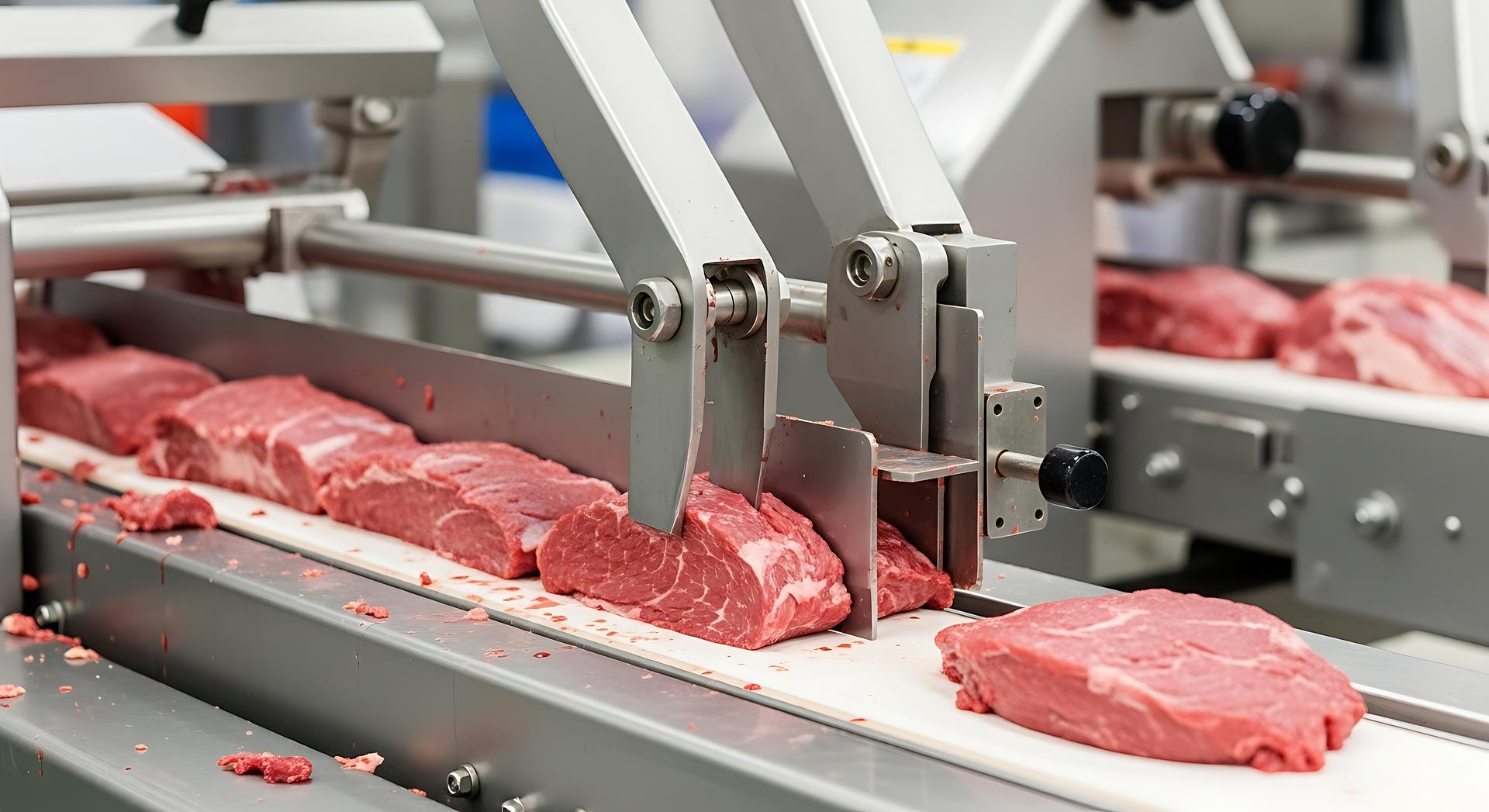
Meat Equipment Categories
Frequently Asked Questions
What types of used meat processing equipment are available on the market?
The range of used meat processing equipment available is quite broad, covering nearly every stage of production from raw material handling through finished product packaging. Common categories include meat grinders, bowl choppers, frozen block flakers, stuffers, mixers, dicers, slicers, meatball machines, fryer kettles, and portioning equipment. On the packaging side, buyers regularly find vacuum packaging machines, form/fill/seal systems, shrink wrappers, case packers, and checkweighers. Supporting equipment such as conveyors, pumps, tanks, chillers, freezers, CIP cleaning systems, and metal detectors also appear frequently in used inventories.
Brands that show up consistently in the used market include Hobart, Marlen, VEMAG, Seydelmann, MEPACO, FPEC, Multivac, and Tiromat, among many others. Much of this equipment was originally manufactured in stainless steel to meet food-grade hygiene requirements, which means it tends to hold up well over time when properly maintained. Buyers sourcing equipment for poultry or red meat operations will generally find purpose-built machines for each application, so it pays to work with a dealer who specializes in the meat and food processing sector rather than a general industrial equipment source.
How do I verify the condition of used meat processing equipment before buying?
Verifying condition starts with understanding what inspection options the dealer can offer. Reputable dealers will typically accommodate in-person inspections, virtual walkthroughs, or detailed video captures of the machine so buyers can assess its current state before committing. For equipment that is still installed and running at a production facility, some dealers can arrange access to observe it in operation, which gives the clearest picture of mechanical condition. For decommissioned equipment, a thorough visual inspection of wear parts, seals, blades, drive components, and the overall frame is the next best option.
One important limitation to keep in mind: most used equipment dealers do not have the permits or production infrastructure to run actual food product through a machine during an inspection. Testing is therefore generally limited to mechanical function rather than a full production trial. Because of this, buyers should ask detailed questions about the machine's history, hours of use, and any known repairs. Consulting the original manufacturer about the specific model and serial number can also reveal useful information about the machine's production era, available parts, and expected service life. Selecting a dealer with a long track record in the meat processing industry specifically adds another layer of confidence that the equipment has been accurately represented.
Does used meat processing equipment come with a warranty?
Warranties on used meat processing equipment work very differently than they do on equipment purchased directly from a manufacturer. Manufacturer warranties are tied to the original sale and do not typically transfer to subsequent buyers. As a result, used equipment is almost always sold on an as-is basis, meaning the buyer accepts the machine in its current condition without a formal guarantee of performance from the dealer.
This reality makes the inspection process and dealer selection especially important. Because the buyer carries the risk, choosing a dealer with a long, verifiable history of selling meat processing equipment is one of the most effective ways to reduce that risk. Experienced dealers have reputations to protect and are generally more careful about accurately representing the condition of what they sell. Buyers should also contact the original manufacturer before purchasing to understand what level of technical support, service documentation, and parts availability they can expect for that specific model. Older or discontinued machines may have limited manufacturer support, which is a practical factor that should weigh into the purchase decision.
What food safety and sanitation standards should used meat processing equipment meet?
Commercial meat processing operations in the United States are subject to oversight from the USDA, and equipment used in those facilities is expected to meet applicable food safety and sanitation standards. NSF International (National Sanitation Foundation) certification is one of the most widely recognized benchmarks for food equipment, indicating that a machine's design allows for effective cleaning and does not introduce contamination risks. Many of the well-established brands in the meat processing industry, such as Hobart, Seydelmann, Marlen, and VEMAG, were engineered to meet these standards from the outset, which is part of why they retain value in the used market.
When buying used equipment, buyers should confirm that the machine's design still conforms to current sanitation requirements, since regulations can change over time and older equipment may need modifications to remain compliant. Stainless steel construction is a baseline expectation for most food-contact surfaces, and buyers should inspect welds, seams, and hard-to-clean areas for signs of corrosion or damage that could compromise hygiene. Before putting any used machine into production, having it inspected by a qualified technician familiar with both the equipment and current food safety regulations is a practical step that can prevent compliance issues down the line.
How do I know if replacement parts are still available for older meat processing equipment?
Parts availability is one of the most important factors to evaluate before purchasing used meat processing equipment, and it is easy to overlook during the excitement of finding a machine at the right price. The best starting point is to contact the original manufacturer directly with the model number and serial number of the equipment. Manufacturers can usually tell you whether the machine is still supported, which parts are stocked, and whether any components have been discontinued. This conversation is worth having before you finalize any purchase.
For well-established brands like Hobart, Berkel, Biro, Marel, and Multivac, parts ecosystems tend to be deeper and longer-lived because of the sheer volume of machines those companies have placed in the field over the decades. Third-party parts suppliers and independent service companies also support many popular models, which expands options beyond the original manufacturer. For more obscure brands or machines that have been out of production for many years, the calculus changes considerably. A machine that runs perfectly today but has no available wear parts or seals is a liability waiting to develop. Factoring in parts availability and the cost of likely future maintenance is just as important as evaluating the machine's current mechanical condition.
What should I inspect when buying a used commercial meat grinder?
A commercial meat grinder takes a lot of mechanical stress in normal operation, so a careful inspection covers several specific areas. Start with the grinding plates and knives, which are wear items that need to be sharp and properly fitted to produce clean cuts and minimize heat buildup. Worn or mismatched plates and knives are a sign of either heavy use or deferred maintenance. Check the feed auger for wear or damage, and look at the throat and hopper for cracks, dents, or corrosion that could affect both function and sanitation. The motor and drive components should run smoothly without unusual noise or vibration.
Beyond the mechanical wear parts, inspect the overall frame and all food-contact surfaces for corrosion, pitting, or damage to welds and seams. Stainless steel construction is standard on commercial grinders, but the quality of that construction varies by brand and age. Ask the dealer about the machine's production history, including what products it was used for and how frequently it was cleaned and serviced. Brands like Hobart and FPEC have strong reputations in the used market partly because their grinders are built to last and parts remain available. If an in-person inspection is not possible, request a detailed video that covers the motor running under no-load conditions and a close look at all the wear surfaces.
What is the difference between used and refurbished meat processing equipment?
The terms are sometimes used loosely, but they do describe meaningfully different things. Used equipment is sold in its current condition, as-is, with no formal restoration work done by the seller. The buyer gets the machine in whatever state it was in when it came off the production floor or out of storage. Price reflects that condition, and the buyer takes on the responsibility of any repairs or reconditioning needed to put it into service.
Refurbished equipment has gone through some level of professional attention before being resold. This can range from basic cleaning and inspection to a more thorough process that includes replacing worn parts, repainting or refinishing surfaces, and verifying that mechanical systems are functioning within spec. Refurbished machines typically cost more than comparable as-is units, but the added investment can reduce the time and expense needed to get the equipment into production-ready condition. When evaluating a machine described as refurbished, buyers should ask specifically what work was done, by whom, and whether any documentation of that work is available. The depth of refurbishment varies considerably from one dealer to the next, so the label alone is not a guarantee of any particular standard.
What are the most reputable brands for used meat processing equipment?
Certain brands come up repeatedly in the used meat processing market because they built durable machines that hold up over years of demanding production use. Hobart is probably the most universally recognized name for grinders and mixers, with a service and parts network that has supported their equipment for generations. Seydelmann bowl choppers are highly regarded in the emulsified products space, and VEMAG and Marlen stuffers are considered benchmarks in their category. For packaging, Multivac and Tiromat have long track records in meat and protein applications. MEPACO, FPEC, Rietz, and Amfec are names that appear frequently in larger-scale processing operations.
Reputation in the used market is driven by a few consistent factors: build quality that survives heavy use, ongoing parts availability, and manufacturer or third-party service support. Brands that score well on all three tend to command higher prices in the used market, but they also tend to deliver lower total cost of ownership because they are easier and less expensive to maintain. Buyers who are less familiar with specific brands should research the model they are considering, talk to the original manufacturer about support levels, and where possible, consult with a technician who has hands-on experience with that equipment before committing to a purchase.
How does shipping work for used meat processing equipment, and what costs should I expect?
Shipping costs for used meat processing equipment depend on several variables, and buyers should get a clear picture of the full landed cost before agreeing to a purchase. Packaging is one of the first considerations: smaller machines may be palletized, while larger or more fragile equipment often requires custom crating to prevent damage in transit. The level of packaging required directly affects cost, and buyers should ask dealers specifically how the equipment will be prepared for shipment.
For heavy or large machines, rigging is typically required for loading at the origin and unloading at the destination. This involves specialized equipment and labor to safely move machinery that may weigh hundreds or thousands of pounds, and it is usually billed as a separate line item. Freight rates vary based on weight, dimensions, distance, and whether the shipment requires a liftgate, inside delivery, or other special handling. Buyers should request a detailed breakdown of all charges, including packaging, rigging, freight, and any accessorial fees, so there are no surprises when the machine arrives. Getting these figures upfront is the only reliable way to compare the true cost of equipment from different sources.
What payment terms are typical when purchasing used meat processing equipment?
Payment practices in the used equipment industry are fairly consistent. Most dealers require payment in full before a machine ships, regardless of the buyer's size or purchasing history. This protects the seller from the risk of shipping high-value equipment before funds are secured, which is a reasonable position given that used machinery transactions often involve buyers and sellers who have no prior relationship.
Some dealers extend terms to established customers with whom they have done repeated business, but this is the exception rather than the standard arrangement. Buyers who are newer to the used equipment market should plan on having funds ready prior to shipment. Common payment methods include wire transfer and other forms of verified payment. It is worth clarifying accepted payment methods, any applicable processing fees, and the exact timeline from payment confirmation to equipment release before finalizing a deal. Understanding these logistics upfront avoids delays and keeps the transaction moving smoothly.
Explore Our Full Equipment Inventory
Browse thousands of listings across every category we support or reach our team directly for help finding the right machine for your operation.