





Coffee and Tea Processing and Packaging Equipment
Roasters, Millers, Fillers, Packaging Machines, and More
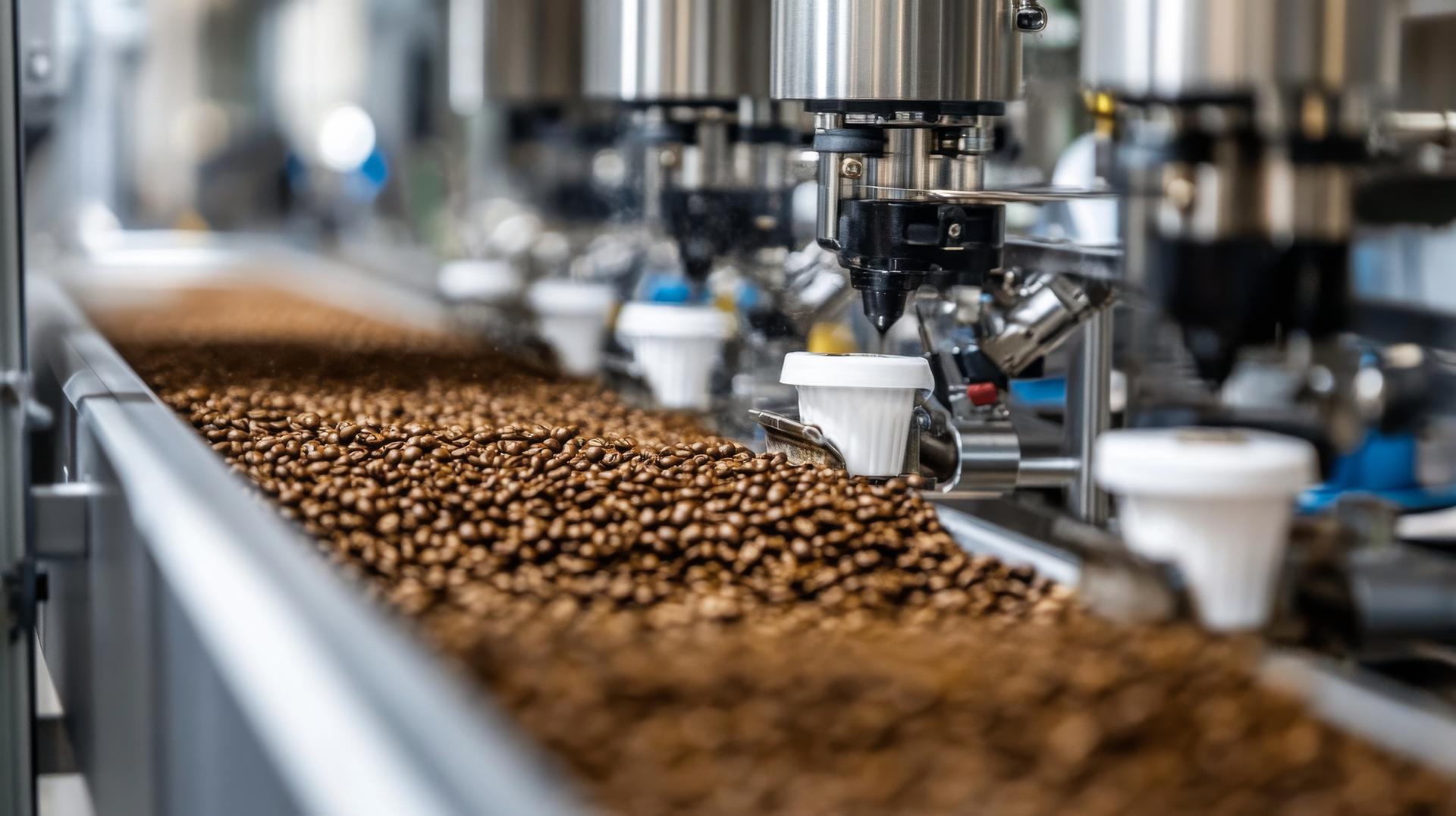
Wohl Associates supplies pre-owned coffee and tea processing and packaging equipment for roasters, blenders, and packagers of every size. Our inventory includes ovens and roasters, mills and pulverizers for grinding, and dust collection systems to keep your production floor clean and efficient. For packaging, we stock powder fillers, form/fill/seal machines, cartoners, case packers, labelers, coders, metal detectors, and shrink wrapping equipment to move your product from raw bean or leaf to finished package. Browse our dedicated coffee and tea equipment category for machinery built specifically for this industry.
Coffee and Tea Equipment Categories
Frequently Asked Questions
What types of used coffee and tea processing equipment are available on the market?
The range of used coffee and tea processing equipment available through specialty dealers is quite broad, covering virtually every stage of production. On the processing side, buyers can typically find commercial coffee roasters, green coffee destoners, mills and pulverizers for grinding, ovens, dust collection systems, screw conveyors, feeders, and elevators. For tea specifically, equipment like withering troughs, tea rollers, CTC (cut-tear-curl) machines, and tea dryers show up regularly in dealer inventories. Brands such as Probat, Diedrich, Loring, Giesen, and Toper are among the most recognized names in coffee roasting, while Mesco, Marshall, and Bentall have strong reputations on the tea processing side.
Packaging equipment makes up a large portion of what used dealers stock as well, since most roasters and blenders need the full line from raw material to finished package. That includes powder fillers, form/fill/seal machines, cartoners, case packers, labelers, coders, metal detectors, checkweighers, and shrink wrapping equipment. Buyers sourcing a complete production line can often find the majority of what they need from a single dealer who specializes in food and beverage processing machinery, which simplifies logistics and makes it easier to ask informed questions about compatibility between pieces of equipment.
How do I verify the condition of used coffee or tea processing equipment before buying?
Inspecting used processing equipment thoroughly before committing to a purchase is one of the most important steps a buyer can take. Reputable dealers will typically offer in-person inspections, virtual walkthroughs, or detailed video captures of the machine so buyers can assess its current state. In some cases, the equipment may still be installed and running at the original production facility, which gives buyers a chance to see it operating under real conditions. Even when a machine is decommissioned, a careful visual inspection can reveal wear patterns, signs of prior repairs, corrosion, or missing components that would affect performance after reinstallation.
It is worth noting that most used equipment dealers do not have the permits or production infrastructure to run actual product through the machines during an inspection, so buyers should not expect a full production test at the dealer's facility. What buyers can reasonably request is documentation of the machine's service history, operational hours or roast cycle counts, and any known issues. Consulting with the original manufacturer about a specific model and serial number can also help gauge how much support, parts availability, and technical guidance to expect going forward. Selecting a dealer with a long track record in food and beverage processing equipment adds another layer of confidence, since experienced dealers are better positioned to accurately represent a machine's condition.
What is the typical lifespan of commercial coffee roasting equipment, and does buying used make sense?
Commercial coffee roasters from established manufacturers are built to run for decades under proper maintenance. A well-maintained drum roaster from a brand like Probat or Diedrich can realistically last 20 to 30 years or more in a production environment, which is a core reason the used market for this equipment is so active. Roast cycle counts and total operational hours are the most meaningful indicators of remaining useful life, similar to how mileage functions for vehicles. A machine with thorough service records and documented maintenance intervals is generally a much safer purchase than one with an unknown history, even if both units are the same age.
Buying used makes strong financial sense for roasters and packagers who need proven, industrial-grade machinery without the capital outlay of sourcing directly from a manufacturer. The depreciation curve on processing equipment tends to be steep in the early years, meaning a buyer of used equipment can often acquire a machine that still has the majority of its functional life remaining at a fraction of the original cost. The key is doing the homework: verifying condition through inspection, researching parts availability for that specific model, and working with a dealer who specializes in coffee and tea processing equipment rather than a generalist industrial machinery source.
Do used coffee and tea processing machines come with a warranty?
Warranties on used processing equipment work differently than they do on equipment purchased directly from a manufacturer. Original equipment warranties are tied to the first sale and do not transfer through subsequent resales. Used equipment dealers almost universally sell machinery on an as-is basis, which means the responsibility for evaluating the machine's condition falls squarely on the buyer prior to purchase. This is standard practice across the industry and is not unique to any one dealer or category of equipment.
Because there is no warranty safety net, the inspection process becomes especially critical. Buyers should take full advantage of any inspection options the dealer offers, whether in person, via video, or through a third-party inspector the buyer arranges independently. Consulting the original manufacturer about a specific machine's age, model, and serial number is also a smart step, as manufacturers can often indicate what level of technical support and parts supply a buyer should realistically expect for that unit. Choosing a dealer with a demonstrated history in food and beverage processing equipment, rather than a generalist reseller, significantly reduces the risk of purchasing a machine with undisclosed problems.
Are replacement parts readily available for older commercial coffee and tea processing machines?
Parts availability varies considerably depending on the brand, model, and age of the equipment. For widely used coffee roaster brands like Probat, Diedrich, and Loring, parts support tends to remain available for a long time because the installed base is large and the manufacturers have an incentive to support their legacy equipment. Smaller or discontinued brands, or machines that were produced in limited quantities, can present more of a challenge. Before purchasing any used unit, it is worth contacting the original manufacturer directly to ask which components are still stocked, what lead times look like for special-order parts, and whether technical support is available for that specific model generation.
For packaging and ancillary equipment like form/fill/seal machines, labelers, and metal detectors, parts availability is often tied to how widely the machine was adopted in the industry. Machines from major packaging equipment manufacturers generally have better aftermarket parts ecosystems, including third-party suppliers who produce compatible components. Buyers should also factor in the skill set required to service the equipment, since some older machines use pneumatic or mechanical systems that a wider range of technicians can work on, while more recent equipment with proprietary controls may require factory-trained service personnel. Asking the dealer about known parts or service considerations for a specific machine before purchasing is always a reasonable step.
What should buyers know about shipping and logistics for used coffee and tea processing equipment?
Shipping used processing equipment is not as straightforward as shipping standard freight, and buyers who underestimate the logistics side can face unexpected costs. Proper packaging is essential to prevent damage in transit, and the level of preparation required depends on the size, weight, and fragility of the machine. Smaller equipment may ship on a standard pallet, while larger roasters, mills, or complete packaging lines often require custom crating. The cost of palletization or crating is typically separate from the freight charge itself, so buyers should ask dealers to itemize these costs upfront to understand the full landed price.
Larger and heavier machines frequently require specialized rigging for both loading at the origin point and unloading at the destination. Rigging involves cranes, forklifts, and trained operators, and this service carries its own cost that can be significant for industrial-scale equipment. Buyers should confirm whether the dealer handles rigging or whether the buyer needs to arrange it independently on either end of the shipment. Getting a clear picture of all costs, including the machine price, crating, rigging, freight, and any applicable import duties for international shipments, before finalizing a purchase prevents budget surprises and allows for an accurate comparison between equipment options.
What payment terms do used equipment dealers typically offer for coffee and tea processing machinery?
The standard practice in the used industrial equipment industry is full payment prior to shipment. This applies broadly across dealers selling coffee and tea processing machinery, regardless of the size or price of the transaction. The reasoning is straightforward: once a machine leaves the dealer's facility, recovering it in the event of a payment dispute becomes logistically and legally complicated. Buyers should plan their financing or capital allocation accordingly and be prepared to wire funds or arrange payment in full before the equipment is loaded for transport.
Some dealers will offer payment terms to established customers with a prior purchase history, but this is the exception rather than the rule and is generally not available to first-time buyers. Buyers who need financing for larger equipment purchases may want to explore third-party equipment financing options independently before approaching a dealer, since having financing pre-arranged can speed up the transaction considerably. It is also worth asking the dealer about any deposit requirements if a machine is being held while inspection or financing arrangements are finalized, as policies on holds and deposits vary between dealers.
What maintenance and service considerations apply to used commercial coffee and tea processing equipment?
Ongoing maintenance is a significant part of owning any commercial processing equipment, and machines acquired on the used market often arrive without a complete service history. Before putting a used machine into production, it is generally advisable to have it inspected and serviced by a qualified technician familiar with that equipment type. This typically includes checking wear components like burrs on grinders, drum seals on roasters, and belts or chains on conveyors, replacing any consumable parts that show fatigue, and calibrating sensors and controls to confirm accuracy. Establishing a baseline service record from the moment of acquisition makes future maintenance planning much more manageable.
For packaging equipment like form/fill/seal machines, powder fillers, and labelers, regular cleaning and lubrication schedules are critical, especially in food production environments where sanitation compliance is required. FDA regulations and equivalent standards in other markets impose specific requirements on how processing equipment is cleaned and maintained to prevent contamination. Buyers should review the original equipment manual, which dealers can sometimes supply or which manufacturers may make available, to understand the recommended maintenance intervals and approved cleaning procedures for each machine. Budgeting for an initial service visit and ongoing preventive maintenance is a practical step that protects the investment and reduces the risk of unplanned downtime.
How does food safety compliance factor into purchasing used coffee and tea processing equipment?
Food safety compliance is a genuine consideration for any operation adding used processing equipment to a production line. Regulatory frameworks like FDA food safety standards in the United States and equivalent regulations in the EU and other markets set requirements for equipment design, surface materials, cleanability, and sanitation practices. Most commercial-grade coffee and tea processing equipment from established manufacturers is designed with food contact surface standards in mind, but buyers should verify that a specific machine's construction materials and configuration are appropriate for their regulatory environment before integrating it into a certified production facility.
When purchasing used equipment, buyers should inspect food contact surfaces carefully for corrosion, pitting, or damage that could harbor bacteria or make proper sanitation difficult. Equipment that has been sitting idle for an extended period may require more thorough cleaning and reconditioning before it meets production hygiene standards. Some buyers choose to work with a food equipment sanitation specialist or their facility's quality assurance team to evaluate a used machine before it enters the production line. For operations subject to third-party audits or certifications, consulting with the auditing body about the acceptability of a specific used machine is a smart precaution that avoids compliance issues after the equipment is already installed.
What factors most affect the resale value of used coffee and tea processing equipment?
Several factors drive the price of used coffee and tea processing equipment in the secondary market. Brand reputation is one of the strongest, with machines from manufacturers like Probat, Diedrich, Loring, and Giesen consistently commanding higher resale prices because of their build quality, longevity, and the availability of parts and support. Age matters, but it is closely tied to condition: a well-maintained older machine from a reputable manufacturer can be worth more than a newer machine from a lesser-known brand that has been poorly serviced. Documented service history, known operational hours or roast cycle counts, and evidence of regular preventive maintenance all contribute positively to a machine's value and a buyer's confidence.
Configuration and completeness also play a significant role. A roaster that includes all original components, control systems, and ancillary parts like afterburners or chaff collectors is worth more than the same model missing key elements. For packaging equipment, machines that have been updated with current controls or that are compatible with modern automation systems tend to hold value better than those with obsolete or proprietary interfaces. Market demand at any given time, driven by growth in specialty coffee, private label tea production, and contract packaging, also influences pricing, as periods of high industry activity increase competition for quality used equipment and push prices upward.
Explore Our Full Equipment Inventory
Browse thousands of listings across every category we support or reach our team directly for help finding the right machine for your operation.